Madeira FoodWhat to Eat and Drink on the Island
Madeira food guide: espetada on bay sticks, espada with banana, bolo do caco, lapas, poncha, bolo de mel and Madeira wine, and how to order each one.
 By Mesa de Portugal Kitchen · Updated · 7 min read
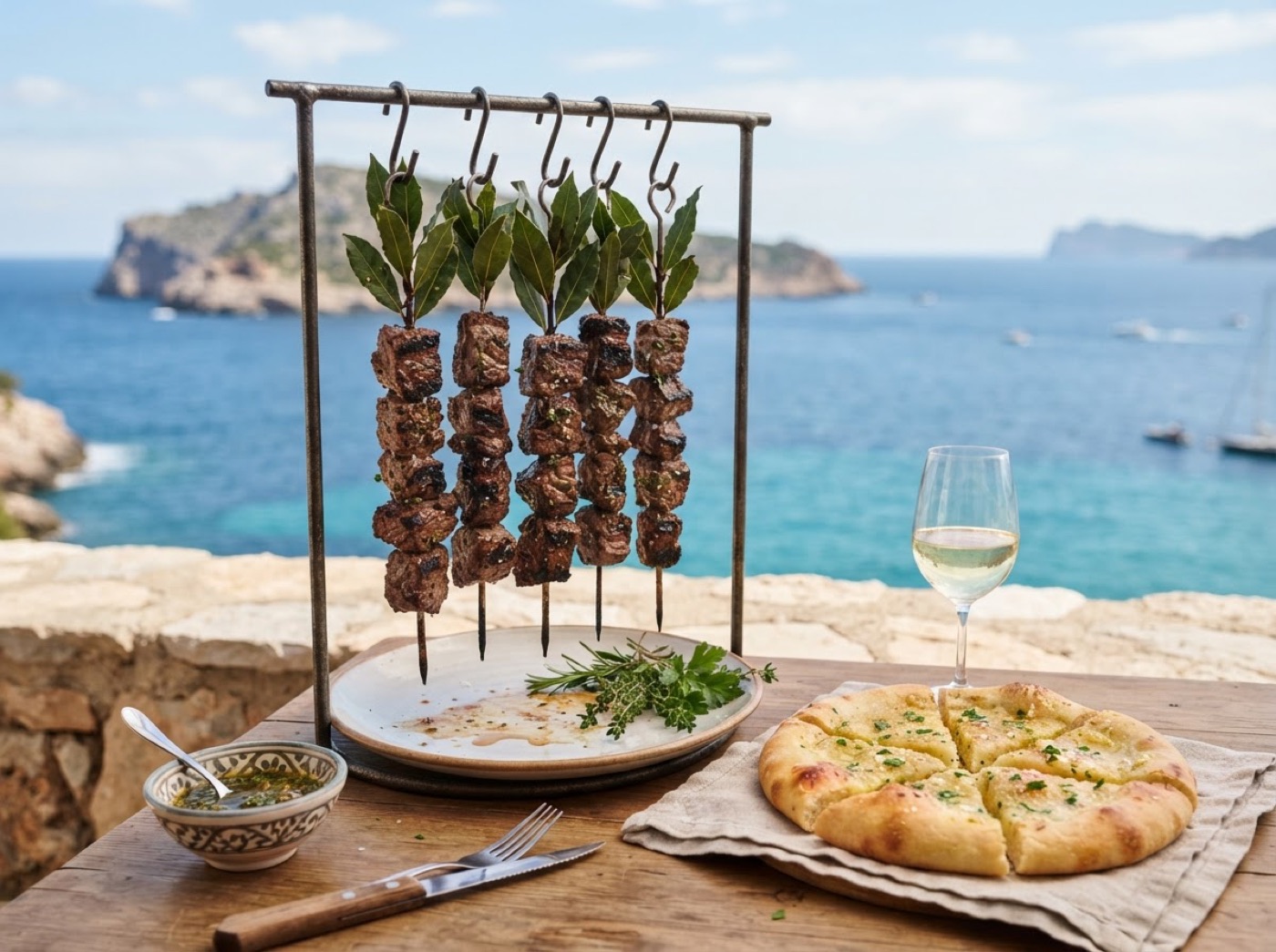
Madeira food is subtropical island cooking: beef skewered on bay-wood sticks (espetada), black scabbardfish with fried banana (espada com banana), garlic-butter flatbread called bolo do caco, grilled limpets, the sugar-cane cocktail poncha, dark molasses cake (bolo de mel) and, of course, Madeira wine. It's bolder and sweeter than mainland Portuguese food, shaped by centuries of sugar cane, wine and Atlantic trade.
The island sits closer to Morocco than to Lisbon, and you can taste it in the bananas, passion fruit and custard apples that turn up in everything from salads to cocktails.
Espetada: Madeira's famous skewer
Espetada is cubes of beef rubbed with garlic, coarse salt and bay leaf, threaded onto a skewer and grilled over wood or charcoal. The traditional skewer is a stick of louro (bay laurel), which perfumes the meat as it cooks.
In many restaurants the skewer arrives hanging from a metal stand above your table, and you slide the meat off onto your plate as you go. It's a family-and-friends dish, ordered by the skewer and shared. The usual sides are bolo do caco, milho frito (crisp fried cubes of cornmeal, flavoured with kale or herbs) and salad.
Espada com banana: the dish that surprises everyone
Espada is black scabbardfish: a long, black, frankly alarming-looking fish caught on long lines at great depth off the island. Its flesh is white, soft and mild.
The classic Madeiran way is filete de espada com banana: fillets dipped in egg and flour, fried, and topped with fried banana. Some versions add a passion fruit sauce. Sweet and savoury together sounds odd, but the soft fish and caramelised banana work. Order it at least once.
Espada also appears grilled, or in a stew with potatoes. Don't confuse it with peixe-espada branco, the silver scabbardfish common on the mainland.
Bolo do caco: garlic butter flatbread
Bolo do caco is a round, flat bread made with wheat flour and sweet potato, cooked on a hot basalt stone or griddle (the caco). It's split open while warm and spread with garlic butter and parsley.
You'll get it as a starter in almost every restaurant, as a sandwich (a prego no bolo do caco, a thin steak in the bread, is the island's favourite snack) and alongside espetada. It's the easiest Madeira dish to recreate at home: our air fryer bolo do caco recipe gives you the same soft crumb and toasted crust.
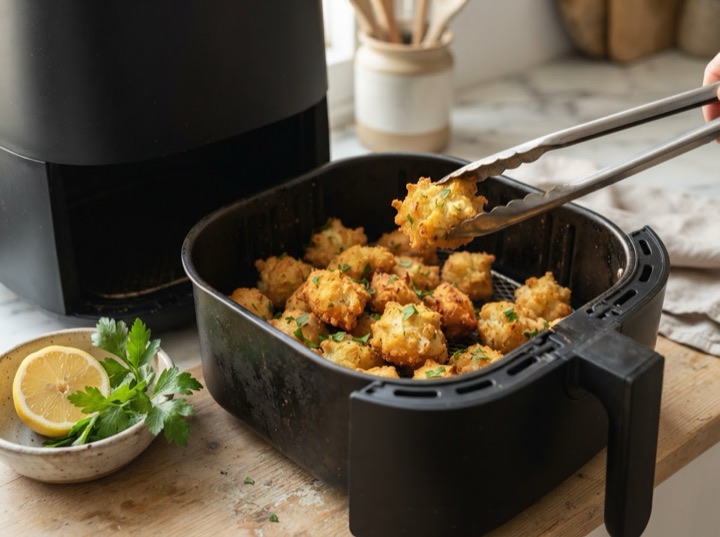
Cosori TurboBlaze 6 Qt Air Fryer
One of Amazon's best-selling air fryers. The 6 Qt basket fits a batch of pastéis de bacalhau or chicken thighs for four, and the ceramic coating is PFAS-free.
Tip: Size is what matters for Portuguese cooking: 5.5–6 Qt feeds 2–4 people in one batch.
To see how it compares with other Portuguese breads, read our Portuguese bread guide.
Lapas: limpets in garlic butter
Lapas are limpets, picked off the rocks around the island and grilled in their shells in a small iron pan with butter, garlic and lemon juice. They come out bubbling. Eat them with a cocktail stick or fork, and use bolo do caco to mop the pan. They're best in seaside villages and harbour restaurants, with a cold beer or a poncha.
Other dishes to order
- Picado: small cubes of beef fried with garlic, wine and chilli, piled on chips and eaten with toothpicks from a shared plate.
- Sopa de tomate e cebola: tomato and onion soup, often with a poached egg on top.
- Atum: fresh tuna steaks, grilled or with onions, often served with milho frito.
- Lapas, polvo and caramujos: limpets, octopus and sea snails on most seafood menus.
- Carne de vinha d'alhos: pork marinated in wine, garlic and bay, a Christmas dish that travelled to Goa as vindaloo.
Poncha: the island's drink
Poncha is Madeira's cocktail: aguardente de cana (sugar cane spirit, a form of rum), honey and lemon juice, stirred hard with a wooden stick called a mexelote. The classic is poncha regional or tradicional. Many bars also make it with orange, passion fruit or tangerine.
It's sweet, sour and much stronger than it tastes. Small bars across the island serve it in short glasses, and a round costs very little. Have one, maybe two. Our Portuguese drinks guide covers the mainland's equivalents.
Bolo de mel: the cake that keeps for a year
Bolo de mel isn't made with bee honey. The mel here is mel de cana, dark sugar-cane molasses, mixed with flour, butter, spices, walnuts or almonds, candied peel and sometimes Madeira wine. It's dense, dark and spiced, closer to a fruitcake than a sponge.
By tradition, families make it on 8 December and eat it through Christmas, and a well-kept bolo de mel lasts for many months. It's also tradition to break it by hand rather than cut it with a knife. A wrapped cake is one of the best gifts to bring home. For the rest of the country's sweets, see our Portuguese desserts guide.
Madeira wine
Madeira wine is fortified like Port, but it's made differently: it's deliberately heated during ageing, either in warm rooms and tanks (estufagem) or slowly in barrels in warm attics (canteiro). The heat gives it its toasted, nutty, tangy character, and makes it almost indestructible once opened.
The four classic grape styles, from driest to sweetest:
- Sercial: dry, sharp and citrusy. Lovely chilled as an aperitif.
- Verdelho: off-dry, smoky, good with soup.
- Boal (Bual): medium-sweet, with raisin and caramel.
- Malvasia (Malmsey): rich and sweet, for dessert and cheese.
Many everyday Madeiras are made from Tinta Negra, the island's most planted grape. Labels with an age (5, 10, 15 years) give you a blend of that average age. Wine lodges in Funchal offer tastings. Back home, Madeira is a great cooking wine for sauces and gravy too.
Where to eat in Madeira
Funchal's Mercado dos Lavradores is the place to see the island's fruit, flowers and fish, including espada laid out on the slabs. Try the fruit stalls, but check prices before you agree to a tasting. For espetada, look outside Funchal in the hills, where restaurants grill over wood. For lapas and fish, head to coastal villages. A prato do dia (dish of the day) at lunch is the cheapest way to eat well.
To cook more regional Portuguese food at home, Portugal: The Cookbook is a big collection of dishes from across the country.
Portugal: The Cookbook (Phaidon)
A big, comprehensive book of Portuguese recipes, region by region. The one to give a serious cook.
Tip: A large hardback that looks good on the shelf as well as in the kitchen.
Heading to the other Atlantic islands too? Read our Azores food guide.
What you’ll need
Links go to Amazon, where you can check today’s price. If you buy, we earn a small commission at no extra cost to you.
Cosori TurboBlaze 6 Qt Air Fryer
One of Amazon's best-selling air fryers. The 6 Qt basket fits a batch of pastéis de bacalhau or chicken thighs for four, and the ceramic coating is PFAS-free.
Tip: Size is what matters for Portuguese cooking: 5.5–6 Qt feeds 2–4 people in one batch.
Portugal: The Cookbook (Phaidon)
A big, comprehensive book of Portuguese recipes, region by region. The one to give a serious cook.
Tip: A large hardback that looks good on the shelf as well as in the kitchen.
Frequently asked
What is Madeira's most famous dish?
What is poncha made of?
What does espada fish taste like?
What should I bring back from Madeira?
Is bolo do caco the same as bolo lêvedo?
Recipes from this story
 Air Fryer
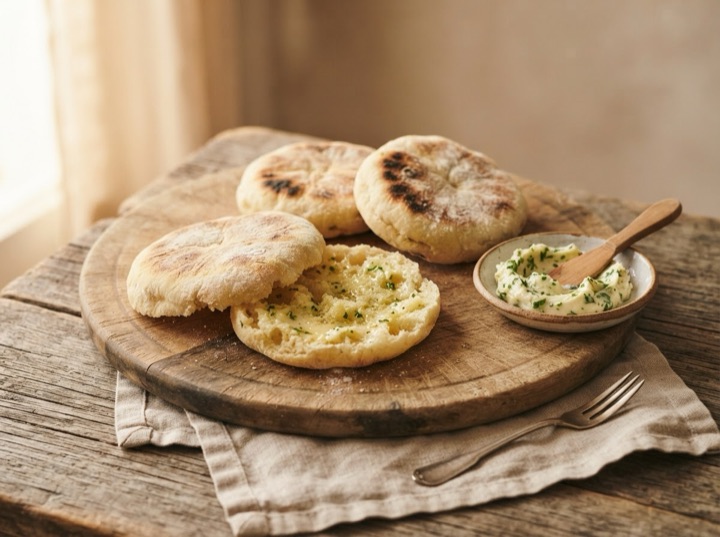
Bolo do Caco in the Air FryerMadeira Garlic Bread
Madeira's soft sweet-potato flatbread, cooked in the air fryer and split open with melting garlic and parsley butter. The island's favourite street snack.
 Food culture
Why Do Portuguese Eat BacalhauThe Story of the Faithful Friend
Why do Portuguese eat bacalhau when no cod swims off Portugal? Salt, Catholic fasting, Newfoundland fleets and the Estado Novo, explained simply.
 Eat like a local
What to Eat in SintraTravesseiros, Queijadas and the Coast
What to eat in Sintra: travesseiros and queijadas, Colares wine, and grilled fish on the nearby coast, plus tips to eat well on a Sintra day trip.