Azores FoodWhat to Eat on Portugal's Atlantic Islands
Azores food explained: cozido das Furnas, lapas, cracas, São Jorge cheese, bolo lêvedo, alcatra, pineapples and tea, plus where to try each one.
 By Mesa de Portugal Kitchen · Updated · 8 min read
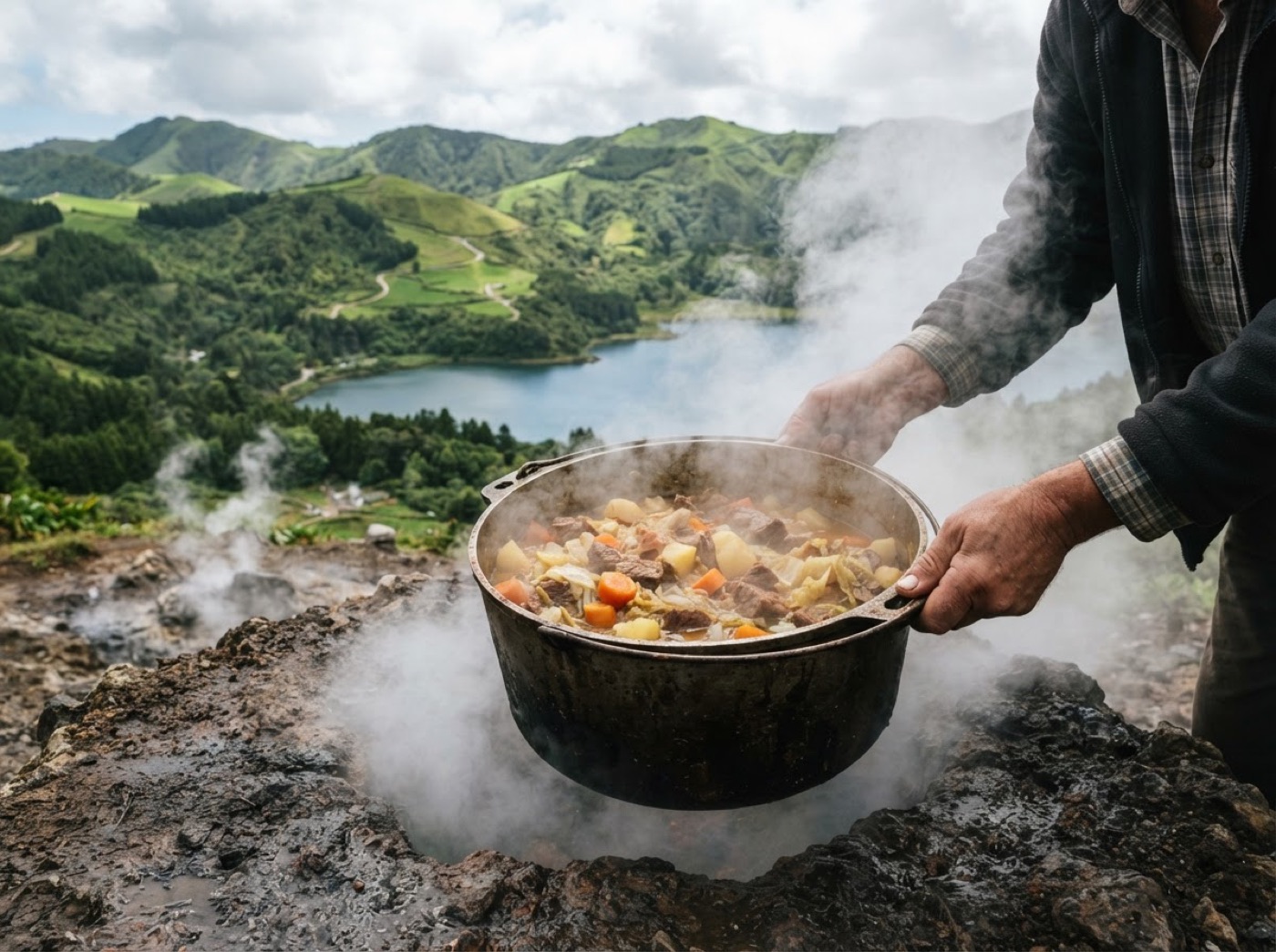
Azores food is farm-and-sea cooking from nine volcanic islands in the middle of the Atlantic. The dishes to look for are cozido das Furnas (a stew cooked in the volcanic ground), grilled limpets, giant barnacles, sharp São Jorge cheese, sweet bolo lêvedo muffins, Terceira's clay-pot alcatra, greenhouse pineapples and tea grown on São Miguel. Most of it is simple, hearty and very local.
The islands are greener and cooler than mainland Portugal, with more cows than people on several of them. That shows on the plate: butter, milk, cheese and beef are everywhere, alongside fish and shellfish landed that morning.
Cozido das Furnas: the stew cooked by a volcano
This is the dish everyone comes for. In the village of Furnas, on São Miguel, cooks pack big pots with beef, pork, chicken, chouriço, blood sausage (morcela), cabbage, potatoes, sweet potatoes, carrots and taro (inhame). The pots are lowered into holes in the hot ground beside the Lagoa das Furnas lake, covered with earth and left for several hours. Sources usually quote somewhere between five and seven hours.
No water goes in. The meat and vegetables cook in their own juices and come out soft, smoky-sweet and faintly earthy. Pots go in early in the morning and come out around late morning, so cozido is a lunch dish. Restaurants in Furnas village serve it at midday, and it's worth booking at weekends.
If you can't get to Furnas, the closest thing at home is a long, slow, lidded stew. Our clay pot cooking guide covers the technique.
Lapas and cracas: the shellfish
Lapas (limpets)
Lapas are limpets, the cone-shaped shellfish that cling to rocks. In the Azores they're grilled in their shells in a small iron pan with butter, garlic and lemon, and arrive at the table still sizzling. Eat them with a fork or straight from the shell, then wipe the pan with bread. They're chewy in a good way and taste of the sea.
Cracas (barnacles)
Cracas are giant barnacles, a speciality you'll find mainly on São Miguel and Terceira. They look like little volcanic rocks. You tip out the briny liquid inside and drink it, then pull out the meat with a small hook. The flavour sits somewhere between crab and lobster. They're not for everyone, which is exactly why you should order them once.
For more on the fish and shellfish of Portugal, see our Portuguese seafood guide.
Queijo de São Jorge: the islands' famous cheese
Queijo de São Jorge is a hard cow's milk cheese from the island of São Jorge, protected by a PDO (DOP in Portuguese). It's aged for months and has a sharp, slightly spicy, peppery bite that gets stronger with age. Ask for it curado (cured) if you like it strong.
You'll see it as a starter with bread and pimenta da terra, a fermented red pepper paste, and grated into cooking across the islands. It travels well, so it's one of the best things to bring home. São Miguel and Pico make good cheeses too, and fresh cheese (queijo fresco) appears on almost every table. Our Portuguese cheese guide compares it with the mainland's big names.
Bolo lêvedo: the Azorean muffin
Bolo lêvedo (literally "leavened cake") is a flat, round, slightly sweet bread from Furnas. It looks like an English muffin but is softer, richer and a little sweeter, made with milk, eggs, butter and sugar and cooked on a griddle.
Locals eat it for breakfast, split and toasted with butter, or as a burger bun with a thin steak inside. Supermarkets on São Miguel sell it in bags, and it's an easy edible souvenir. Compare it with Madeira's garlicky bolo do caco in our Madeira food guide.
Alcatra: Terceira's clay-pot roast
On the island of Terceira, the celebration dish is alcatra: beef slow-cooked in a glazed clay pot (an alguidar) with red or white wine, onion, garlic, bay leaves, allspice, peppercorns and a little bacon or lard. It goes into a wood oven for hours until the meat falls apart and the sauce turns dark and fragrant.
It's traditionally served at the Festas do Espírito Santo (Holy Spirit festivals) and family gatherings, with sweet bread to soak up the juices. There's also alcatra de peixe, a fish version made the same way. A heavy lidded clay pot or cast-iron casserole is what you need to try it at home.
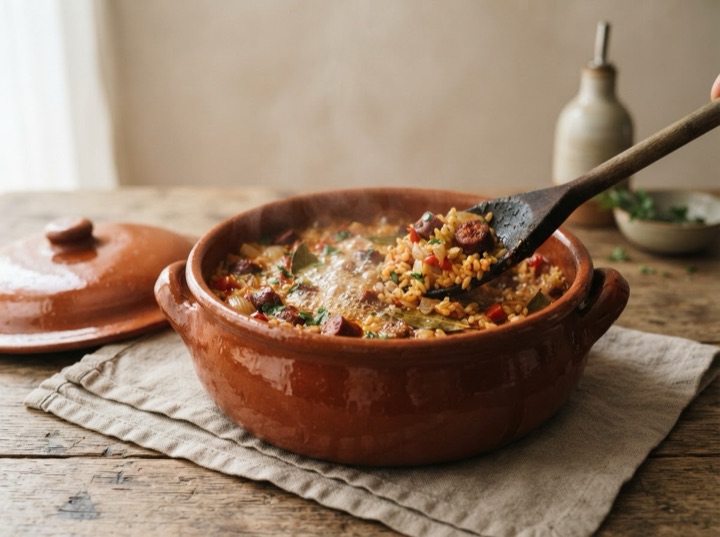
Portuguese hand-painted clay cooking pot
For rice dishes, feijoada and anything that goes from the oven straight to the table.
Tip: Check the listing for stovetop use. Many clay pots are oven-only or need a heat diffuser.
Pineapples and tea: what the islands grow
Ananás dos Açores
The Azores grow pineapples in whitewashed greenhouses on São Miguel, a crop that took over when the island's orange trade declined. Growers seal the greenhouses with smoke for several days to make the young plants flower, and each fruit takes far longer than plantation pineapple, around two years from planting. The result is smaller, more aromatic and more acidic. The Ananás dos Açores/São Miguel is a protected PDO product.
Some greenhouses near Ponta Delgada are open to visitors. Look for pineapple jam, pineapple liqueur and pineapple slices on dessert menus.
Azorean tea
São Miguel is one of the very few places in Europe where tea is grown commercially. The Gorreana estate on the north coast dates back to 1883 and is generally described as the oldest tea plantation still working in Europe. Porto Formoso, nearby, also grows and sells tea. Both have rows of tea bushes running down toward the sea and let visitors walk the plantation. Green and black teas make light, easy gifts.
Other things to order
- Polvo guisado: octopus stewed in wine, a classic on Pico.
- Linguiça com inhame: smoked pork sausage with boiled taro, a São Miguel staple.
- Fresh fish: look for cherne (wreckfish), boca-negra and abrótea, usually grilled or stewed.
- Queijadas da Vila Franca do Campo: small sweet cheese tarts from São Miguel.
- Donas Amélias: spiced cakes from Terceira with molasses and dried fruit.
- Espécies: spiced pastries shaped like horseshoes from São Jorge.
- Pico wine: grown in black lava-stone walled plots. The Landscape of the Pico Island Vineyard Culture is a UNESCO World Heritage Site.
- Maracujá: passion fruit, in liqueurs, juice and desserts.
What Azores food tastes like
Expect generous, rustic cooking rather than fine dining. Meat is often grass-fed beef, dairy is rich, seafood is plain and very fresh, and the spicing leans on allspice, cinnamon and red pepper paste, a reminder of the islands' history as a stop on Atlantic trade routes. Portions are big. A meia dose (half portion) is usually plenty for one person.
Take the Azores home
Maria Lawton's Azorean Cooking is a good place to start if you want to cook alcatra, sweet bread and soups at home.

Azorean Cooking by Maria Lawton
Family recipes from the Azores, one of the best-loved Portuguese cookbooks on Amazon.
Tip: Great for Portuguese-American families keeping recipes alive.
For the mainland's essential dishes, read our list of Portuguese dishes to try.
What you’ll need
Links go to Amazon, where you can check today’s price. If you buy, we earn a small commission at no extra cost to you.
Azorean Cooking by Maria Lawton
Family recipes from the Azores, one of the best-loved Portuguese cookbooks on Amazon.
Tip: Great for Portuguese-American families keeping recipes alive.
Portuguese hand-painted clay cooking pot
For rice dishes, feijoada and anything that goes from the oven straight to the table.
Tip: Check the listing for stovetop use. Many clay pots are oven-only or need a heat diffuser.
Frequently asked
What is the most famous food in the Azores?
How long does cozido das Furnas cook?
Is Azores food different from mainland Portuguese food?
What food should I bring back from the Azores?
Are cracas safe to eat?
Recipes from this story
 Food culture
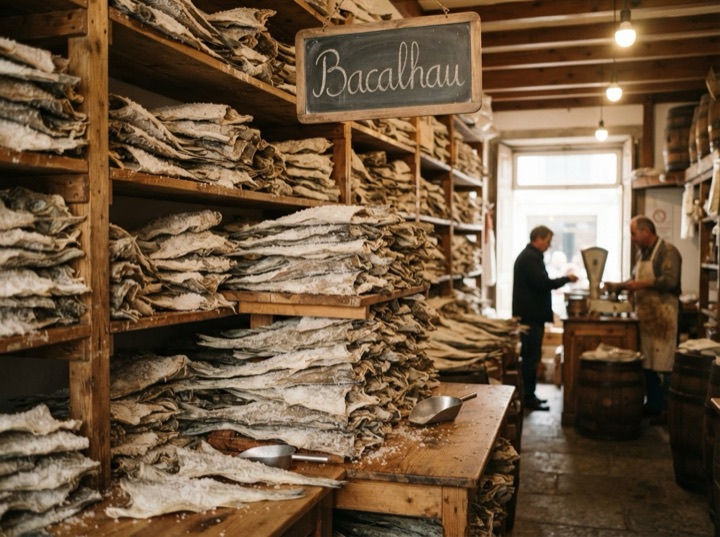
Why Do Portuguese Eat BacalhauThe Story of the Faithful Friend
Why do Portuguese eat bacalhau when no cod swims off Portugal? Salt, Catholic fasting, Newfoundland fleets and the Estado Novo, explained simply.
 Eat like a local
What to Eat in SintraTravesseiros, Queijadas and the Coast
What to eat in Sintra: travesseiros and queijadas, Colares wine, and grilled fish on the nearby coast, plus tips to eat well on a Sintra day trip.
 Eat like a local
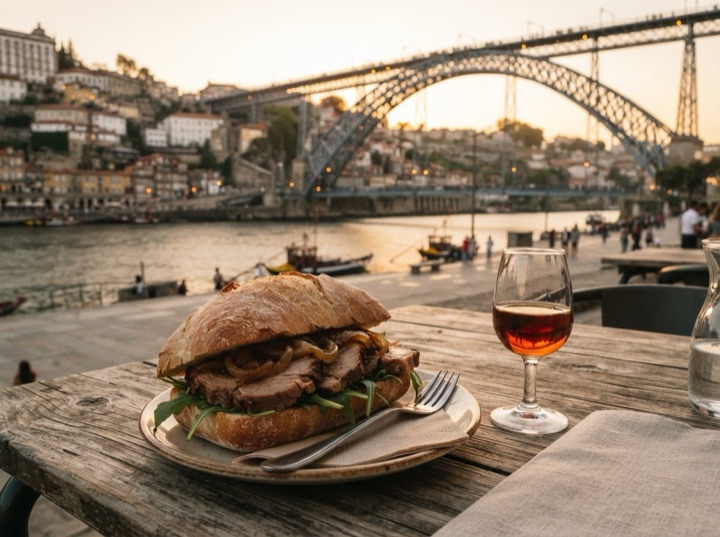
What to Eat in Porto12 Local Dishes and How to Order
What to eat in Porto, dish by dish: francesinha, tripas, bifanas, sandes de pernil, bolinhos de bacalhau and port, with tips on how locals order.