Portuguese SeafoodThe Fish and Shellfish on Every Menu
A Portuguese seafood guide: the fish and shellfish on menus, their English names, how they're cooked, why prices are per kg, and what's in season.
 By Mesa de Portugal Kitchen · Updated · 7 min read
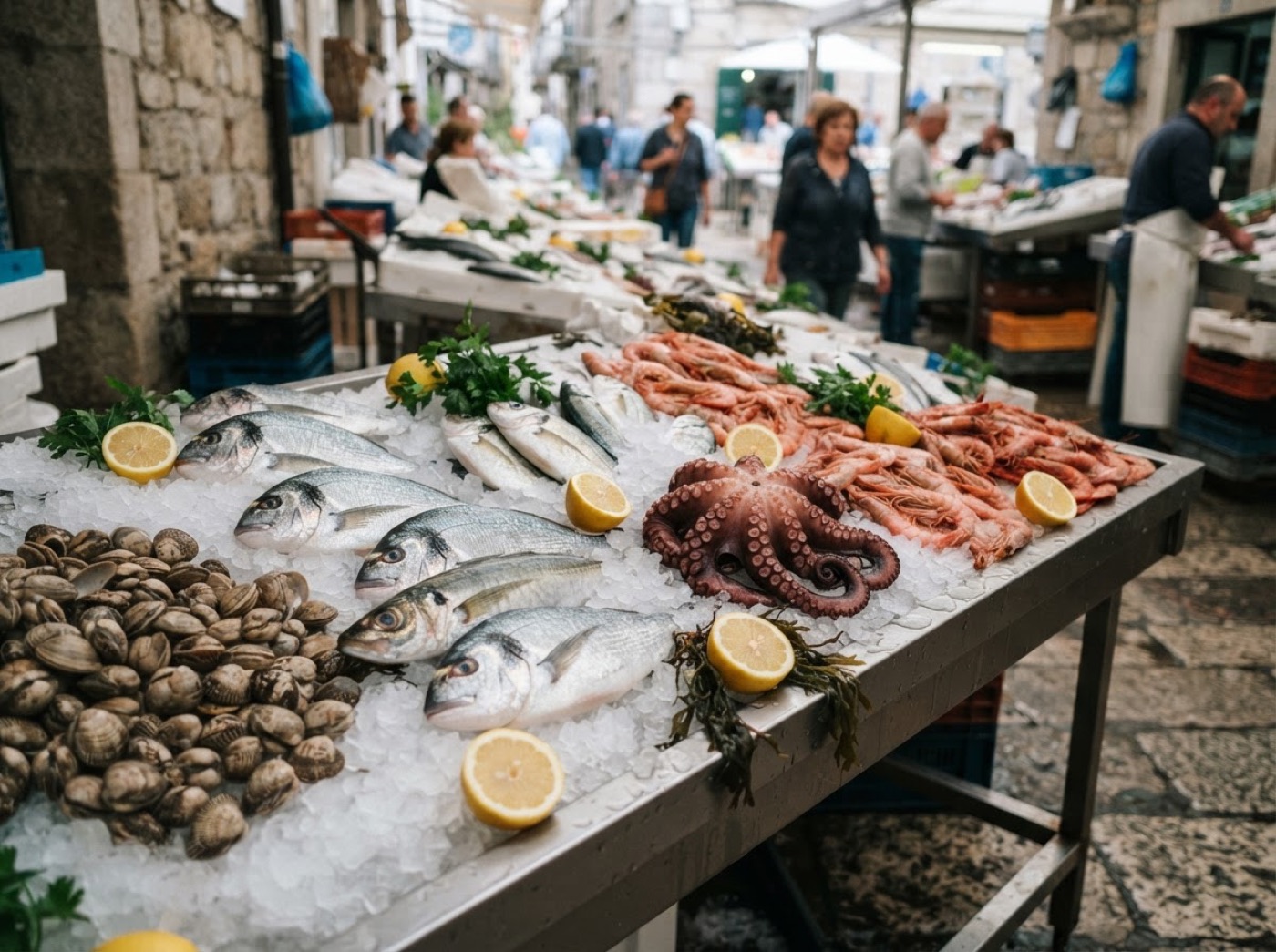
Portuguese seafood is mostly simple: whole fish grilled over charcoal, shellfish cooked with garlic and olive oil, and rice or stews from what's left. The fish you'll meet most on menus are dourada (sea bream), robalo (sea bass), carapau (horse mackerel), sardinha, peixe-espada and polvo (octopus). Many are priced by the kilo, so ask to see and weigh the fish.
Portugal eats more fish per person than almost any country in Europe, and it shows. Even a basic tasca will have a few fish on the grill. Here's how to read the menu.
The fish you'll see most
- Dourada (gilt-head sea bream). Mild, white and sweet. The most common grilled fish, often farmed.
- Robalo (sea bass). Similar to dourada but a little richer. Wild robalo costs much more than farmed.
- Carapau (horse mackerel). Small and oily, fried whole or grilled. Small fried ones (carapauinhos) are a summer favourite. Try our air fryer carapaus fritos.
- Sardinha (sardine). Grilled whole in summer, the taste of June. See our guide on how to grill sardines.
- Peixe-espada (scabbardfish). A long, thin, ribbon-like fish. Peixe-espada preto (black scabbardfish) is a speciality of Madeira, often served with banana. Peixe-espada branco (silver) is common on the mainland coast, grilled or fried in fillets.
- Cherne (wreckfish). A firm, meaty white fish, often grilled as a steak or used in stews.
- Pargo (red porgy) and salmonete (red mullet). Grilled whole, prized in the Algarve and Setúbal.
- Linguado (sole). Grilled or fried, often served with lemon butter.
- Tamboril (monkfish). Firm and meaty, the star of rice dishes and cataplanas.
- Espadarte (swordfish) and atum (tuna). Served as grilled steaks, especially in the Algarve, Madeira and the Azores.
- Bacalhau. Salted cod is in a category of its own. Read why Portugal loves bacalhau.
The shellfish and cephalopods
- Polvo (octopus). Grilled, roasted à lagareiro or in rice and salads. Here's how to cook octopus so it's tender.
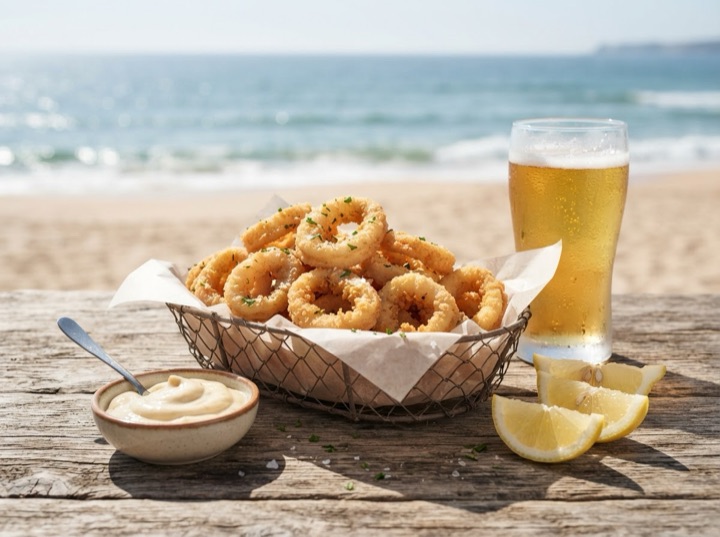
- Lulas (squid). Grilled whole or fried in rings. Our air fryer lulas fritas recipe makes the crisp version.
- Choco (cuttlefish). Setúbal is famous for choco frito, fried cuttlefish strips. Elsewhere you'll also find it grilled, or stewed in its own ink (choco com tinta).
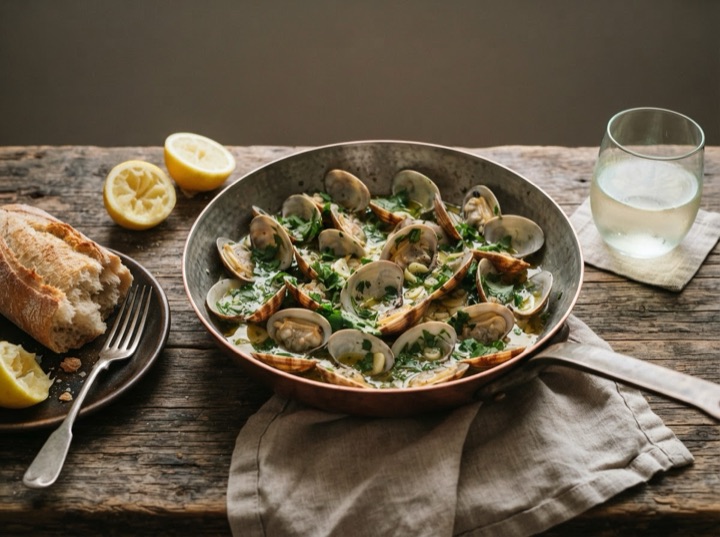
- Amêijoas (clams). Most famous as amêijoas à Bulhão Pato, with garlic, olive oil and coriander. Our recipe.
- Berbigão (cockles) and mexilhão (mussels). Cheaper, often steamed or in rice.
- Percebes (goose barnacles). They look like small dinosaur claws. You twist off the skin and eat the pink stalk inside, which tastes intensely of the sea. Harvested by hand from wave-battered rocks, notably on the Costa Vicentina, so they're expensive.
- Santola (spider crab). Often served recheada: the shell is filled with the crab meat mixed with mustard, beer or egg, and eaten with toast.
- Sapateira (brown crab). Bigger claws, served the same way.
- Camarão, gambas and carabineiros (shrimp, prawns and large red prawns). Boiled, grilled or cooked à guilho with garlic and chilli.
- Lagosta and lavagante (spiny lobster and European lobster). The most expensive items on any menu.
All of these meet in a cataplana de marisco, the Algarve's seafood stew.
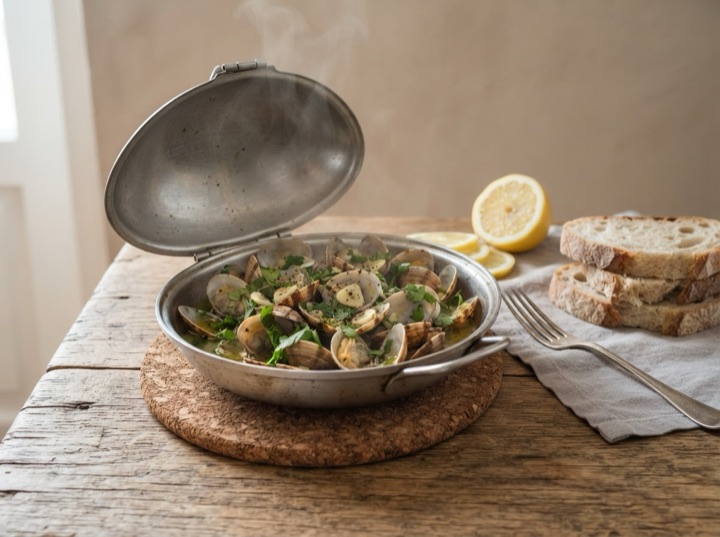
Artame stainless steel cataplana, 24 cm
A real cataplana from Artame, a Portuguese cookware maker. Stainless steel works on every hob, induction included. The right size for two.
Tip: Choose 24 cm for 2 people, 30 cm for 4.
How seafood is sold in Portuguese restaurants
The menu can be confusing at first, so here's how it works.
- Price per kg. Fresh whole fish and most shellfish are often listed with a price per kilo, not a price per plate. A 600 g sea bass at €45/kg costs €27.
- They'll show you the fish. In good seafood restaurants, the waiter will bring the fish or point to the display on ice so you can choose. Ask for it to be weighed before it's cooked if you want to know the final price.
- "Peixe do dia". The fish of the day, usually the best value.
- Wild or farmed. Do mar or selvagem means wild, de aquacultura means farmed. Farmed dourada and robalo are common and much cheaper.
- Couvert. The bread, butter, olives and pâté brought to the table are not free. If you don't want them, say so and they'll be taken away.
A marisqueira is a seafood restaurant, typically with tanks of live crab and lobster. A churrasqueira grills meat and often fish too.
Menu words for cooking methods
- Grelhado: grilled, usually over charcoal.
- Frito: fried.
- Cozido: boiled.
- Assado / no forno: roasted, in the oven.
- Na brasa: over embers.
- Ensopado / caldeirada: fish stew with potatoes and tomato.
- Arroz de...: a soupy rice with seafood. See our Portuguese rice dishes guide.
Grilled fish usually comes with boiled potatoes, a simple salad or boiled greens, and you dress it yourself with the olive oil and vinegar on the table.
To ask for the fish of the day, say "Qual é o peixe do dia?" (kwal eh oo PAY-shuh doo DEE-uh). To ask them to weigh it: "Pode pesar, por favor?" (POH-duh puh-ZAR, poor fuh-VOR).
When is seafood in season in Portugal?
- Sardines: June to September, when they're fattest. Fishing is restricted in winter.
- Carapau and cavala (mackerel): good most of the year, best in summer and autumn.
- Clams, cockles and mussels: available all year, but harvesting areas are closed from time to time when the authorities detect natural toxins. Restaurants buy only from certified sources.
- Percebes: harvesting is tightly regulated and depends on the sea. They're often best value outside the summer peak.
- Octopus and cuttlefish: all year, with some local closed periods to protect stocks.
Where to eat the best seafood in Portugal
The coast is where seafood is freshest and cheapest. Setúbal for choco frito, the Algarve for cataplana and grilled fish, Matosinhos near Porto for charcoal-grilled fish, Peniche and Nazaré for sardines and caldeirada, and the Costa Vicentina for percebes. Inland, the big city fish markets are the place to see the morning catch.
What you’ll need
Links go to Amazon, where you can check today’s price. If you buy, we earn a small commission at no extra cost to you.
Artame stainless steel cataplana, 24 cm
A real cataplana from Artame, a Portuguese cookware maker. Stainless steel works on every hob, induction included. The right size for two.
Tip: Choose 24 cm for 2 people, 30 cm for 4.

Authentic Portuguese Cooking (cookbook)
Over 185 classic recipes from mainland Portugal, the Azores and Madeira. A highly rated home-cooking reference.
Tip: Good for family recipes you remember but never wrote down.
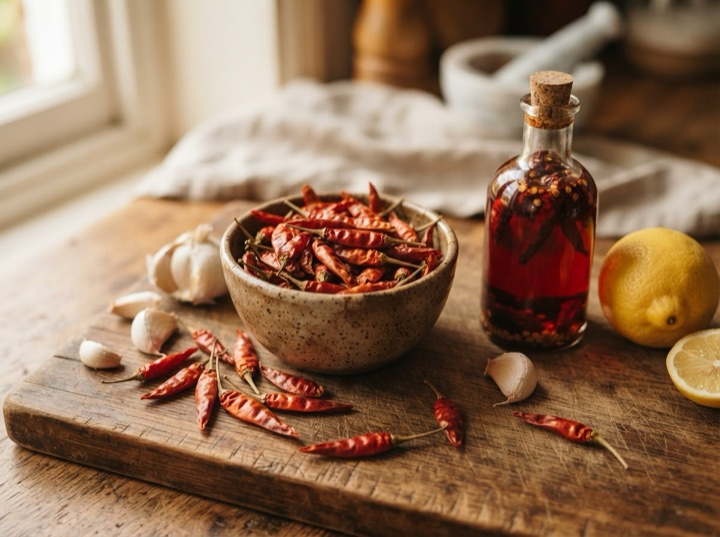
Piri-piri chillies from Portugal
Whole dried bird's-eye chillies, the heat behind frango piri-piri and the bottle of chilli oil on every Portuguese table.
Tip: Two packs last a year. Crush them as you need them.
Frequently asked
What seafood is Portugal famous for?
Why is fish priced per kg on Portuguese menus?
Is seafood expensive in Portugal?
What is the most popular fish in Portugal?
Recipes from this story
 Air Fryer
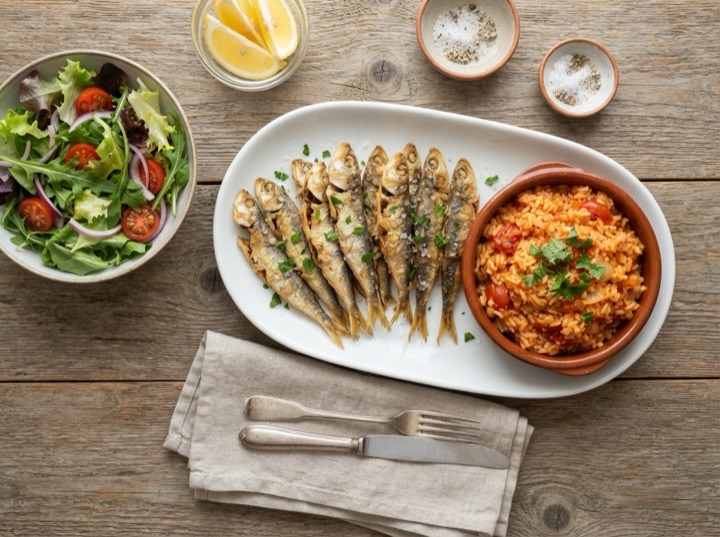
Carapaus Fritos in the Air FryerCrispy Horse Mackerel
Small Portuguese horse mackerel, salted, floured and crisped in the air fryer. Served with tomato rice or açorda, it's a real Portuguese weeknight fish supper.
 Air Fryer
Lulas Fritas in the Air FryerCrispy Squid Rings
Crunchy squid rings made in the air fryer with a light breadcrumb coating, served with lemon and garlic mayonnaise. A beach-bar favourite at home.
 Traditional
Amêijoas à Bulhão PatoClams with Garlic and Coriander
Clams steamed open in olive oil, garlic, coriander and a squeeze of lemon. Lisbon's favourite seafood petisco, ready in 10 minutes once the clams are clean.