What to Eat in SintraTravesseiros, Queijadas and the Coast
What to eat in Sintra: travesseiros and queijadas, Colares wine, and grilled fish on the nearby coast, plus tips to eat well on a Sintra day trip.
 By Mesa de Portugal Kitchen · Updated · 6 min read

In Sintra, eat travesseiros (puff pastry "pillows" filled with almond and egg cream) and queijadas (small crisp tarts with a sweet fresh-cheese filling), ideally warm with a coffee. Then head to the coast a few kilometres away for grilled fish, clams and seafood rice, and try a glass of Colares, the rare local wine grown in sand. Sweets in town, seafood by the sea.
Most visitors come to Sintra for the palaces and leave having eaten a sandwich in a queue. With a little planning, it's one of the best food day trips from Lisbon.
The two pastries Sintra is famous for
Travesseiros
Travesseiro means pillow. It's a rectangle of light, flaky puff pastry, folded around a filling of almond and egg-yolk cream, then dusted with sugar. Eaten warm, the pastry shatters and the filling is soft and sweet.
They're closely associated with the Piriquita pastry shop in the old town, a family business founded in 1862. According to the family, the travesseiro was created there in the 1940s, and the recipe is still kept within the family. You'll find versions in other pastelarias across Sintra too.
Queijadas de Sintra
Queijadas are much older. They're small tarts with a thin, crisp, almost papery pastry shell and a dense filling of queijo fresco (fresh cheese), sugar, egg and a little cinnamon. They taste lightly sweet and slightly tangy, a little like a firm cheesecake. Sintra has been making them for centuries, and you can buy them singly or in paper-wrapped packs to take home.
How to eat them
- Order at the counter, stand or find a table, and ask for them warm if possible (quentinhos).
- Pair with coffee. A bica (espresso) or a galão (milky coffee in a glass) is standard. Our Portuguese coffee guide covers the options.
- Buy queijadas to take away. They travel better than travesseiros, which are best eaten fresh.
- Go early or late. Queues at the famous shops are longest at midday and early afternoon.
For more pastries to point at in any Portuguese café, see our Portuguese pastries guide and our convent sweets guide.
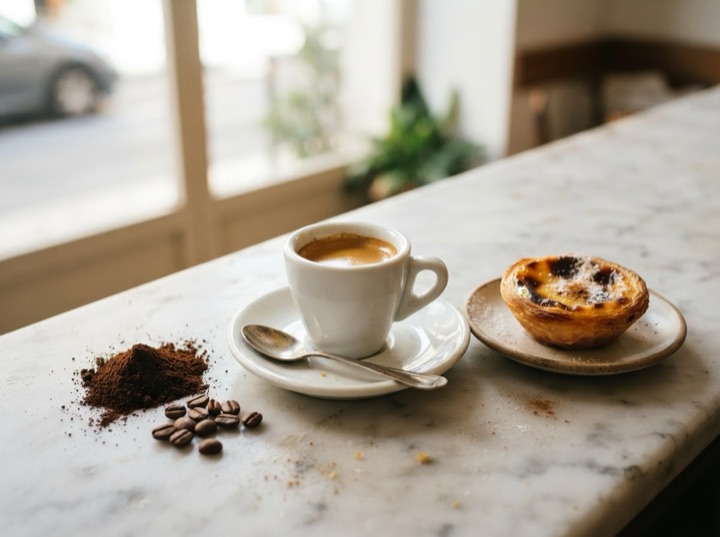
Delta Cafés ground coffee bundle
Portugal's best-known coffee brand, the one in most cafés. Brew it strong for a bica after dinner.
Tip: Ground coffee, so it works in a moka pot or filter.
Lunch in Sintra town
The old town around the National Palace is the most touristy part of Sintra, and prices reflect that. A few tips:
- Walk a few streets away from the palace square, or down towards the train station area, where menus are aimed more at locals.
- Look for a prato do dia (dish of the day) on weekdays. It's the cheapest proper meal.
- Order petiscos if you're short on time: pastéis de bacalhau, chouriço assado, pica-pau, cheese and bread. Our petiscos night guide explains the classics.
- Carry water and a snack. The walk up to Pena and the Moorish Castle is long and steep, and food at the top is limited and pricier.
The coast: where Sintra goes for seafood
The Sintra hills run down to the Atlantic, and the coastal villages are where locals eat fish. Within roughly 20-30 minutes by car or bus you'll reach:
- Azenhas do Mar: the white village on a cliff above a natural sea pool.
- Praia das Maçãs: a beach town with fish restaurants.
- Praia Grande and Praia da Adraga: wild beaches with seafood places nearby.
Further north is Ericeira, a fishing town known for seafood and surfing, and to the south is Cascais.
What to order on the coast
- Grilled fish (peixe grelhado): sea bass (robalo), sea bream (dourada), and in summer sardines and horse mackerel (carapau). Often priced per kilo, so ask before choosing.
- Amêijoas à Bulhão Pato: clams in garlic, olive oil, coriander and lemon. See our recipe.
- Arroz de marisco: soupy seafood rice for two or more, cooked to order.
- Percebes: goose barnacles, picked off rocks on this wild coast. They look strange, taste intensely of the sea, and are usually priced by weight and not cheap.
- Fried squid (lulas fritas) and small fried fish, good with a cold beer. Our air fryer lulas and carapaus fritos recreate them at home.
Our Portuguese seafood guide helps with the fish counter and the menu.
Colares: Sintra's wine
Colares is one of Portugal's smallest and most unusual wine regions, on the sandy coast below the Sintra hills. Vines are planted deep in sand, which protected them from the phylloxera plague that wiped out most European vineyards in the 19th century. The main red grape is Ramisco, which makes high-acid, tannic wines that need time. Production is tiny, so it's not cheap, but if you see Colares on a wine list near Sintra, it's worth a glass. Our Portuguese wine for beginners guide gives more context.
Day-trip tips for eating well
- Take the train. Trains run from Lisbon's Rossio station and take roughly 40 minutes. Parking in Sintra is difficult.
- Eat a pastry when you arrive, before the palaces. Shops are calmer in the morning.
- Have lunch on the coast if you have a car or catch a bus, rather than in the busiest part of town.
- Buy queijadas on the way out, as a souvenir that keeps for a few days.
- Back in Lisbon, follow our guide on what to eat in Lisbon for dinner.
Bring the flavours home
The Lisboeta cookbook covers the food of Lisbon and the surrounding area, including the seafood and petiscos you'll find on the Sintra coast.

Lisboeta by Nuno Mendes
Lisbon's food in a beautiful hardback by Portuguese chef Nuno Mendes: tascas, petiscos and city classics.
Tip: A lovely gift for anyone who fell for Lisbon.
What you’ll need
Links go to Amazon, where you can check today’s price. If you buy, we earn a small commission at no extra cost to you.
Lisboeta by Nuno Mendes
Lisbon's food in a beautiful hardback by Portuguese chef Nuno Mendes: tascas, petiscos and city classics.
Tip: A lovely gift for anyone who fell for Lisbon.
Delta Cafés ground coffee bundle
Portugal's best-known coffee brand, the one in most cafés. Brew it strong for a bica after dinner.
Tip: Ground coffee, so it works in a moka pot or filter.
Frequently asked
What food is Sintra famous for?
What is a travesseiro?
What are queijadas de Sintra made of?
Where should I eat lunch in Sintra?
Recipes from this story
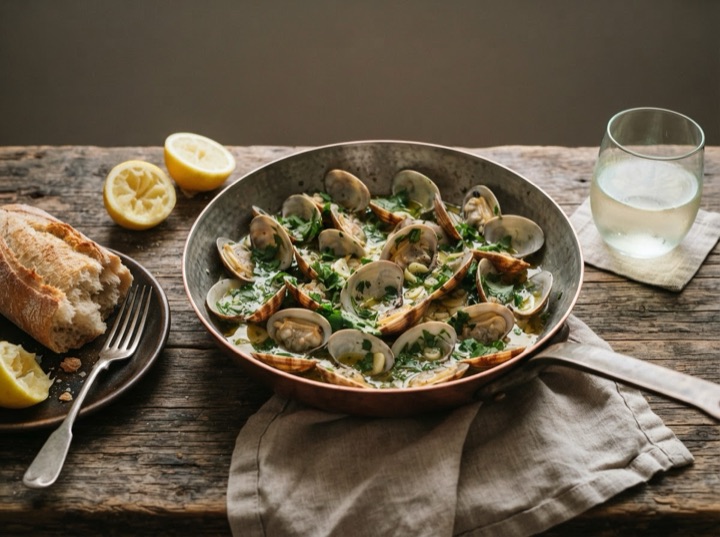 Traditional
Amêijoas à Bulhão PatoClams with Garlic and Coriander
Clams steamed open in olive oil, garlic, coriander and a squeeze of lemon. Lisbon's favourite seafood petisco, ready in 10 minutes once the clams are clean.
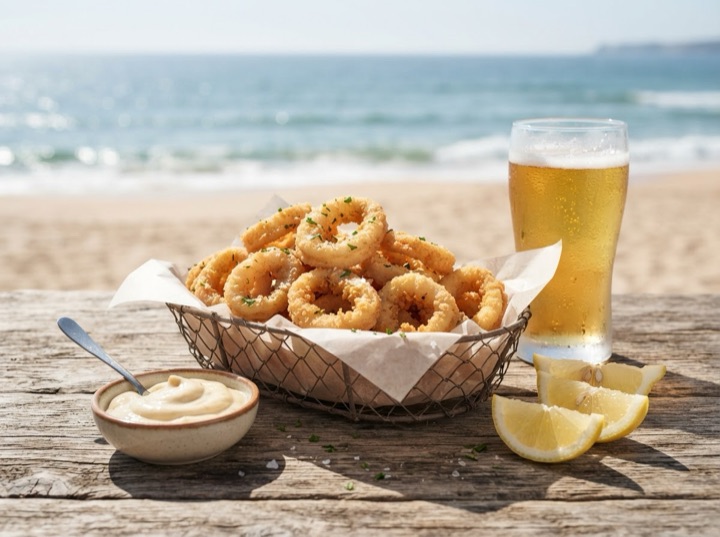 Air Fryer
Lulas Fritas in the Air FryerCrispy Squid Rings
Crunchy squid rings made in the air fryer with a light breadcrumb coating, served with lemon and garlic mayonnaise. A beach-bar favourite at home.
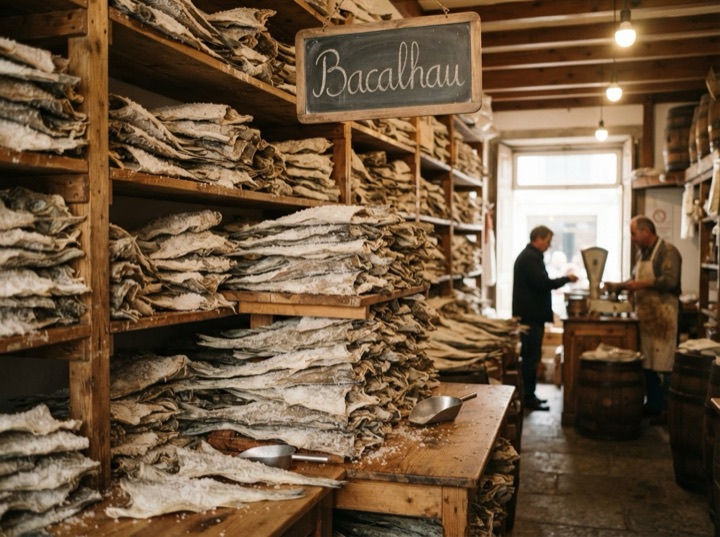 Food culture
Why Do Portuguese Eat BacalhauThe Story of the Faithful Friend
Why do Portuguese eat bacalhau when no cod swims off Portugal? Salt, Catholic fasting, Newfoundland fleets and the Estado Novo, explained simply.