Portuguese Pastries10 to Try Beyond the Pastel de Nata
Travesseiros from Sintra, ovos moles from Aveiro, pão de ló, bola de Berlim and more. A guide to Portugal's pastelaria counter and where each pastry comes from.
 By Mesa de Portugal Kitchen · Updated · 4 min read
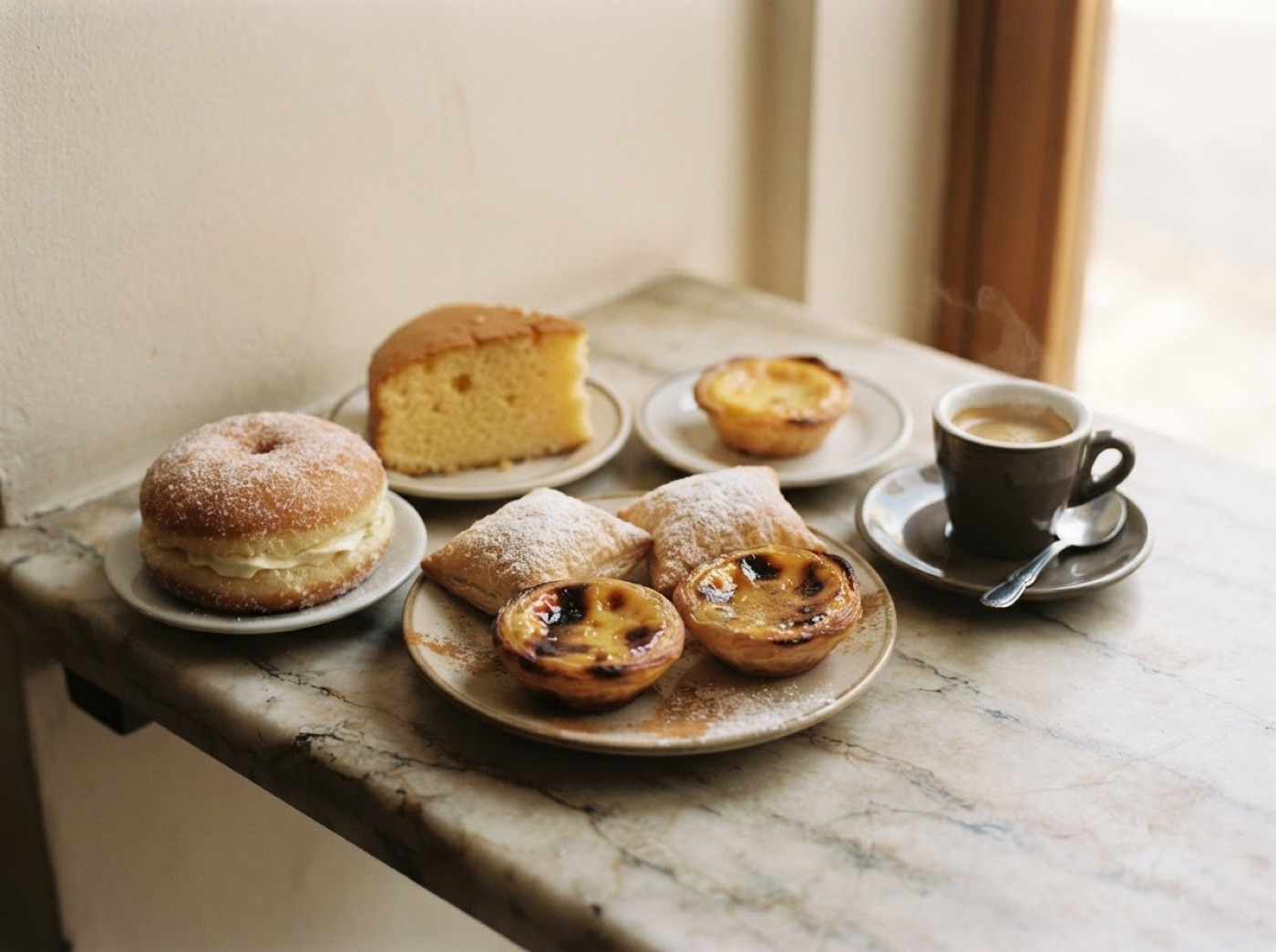
Walk into any Portuguese pastelaria and the glass counter is a wall of temptation. The pastel de nata gets all the fame, but it's only the start. Many Portuguese sweets come from convents, where nuns used the egg yolks left over after egg whites were used to starch clothes and clarify wine. That's why so many of them are golden, rich and very sweet.
1. Pastel de nata
The custard tart in crisp puff pastry, burnt in spots on top. Have it warm with cinnamon. Make it at home.
2. Travesseiros de Sintra
"Pillows" of puff pastry filled with almond and egg cream, rolled in sugar. Sintra's cafés have made them for decades. Eat them fresh, ideally after walking up to the palaces.
3. Queijadas de Sintra
Small, crisp-edged tarts filled with fresh cheese, sugar, egg and cinnamon. Another Sintra classic, sold in paper-wrapped stacks.
4. Ovos moles de Aveiro
Sweet egg-yolk cream wrapped in thin wafer shaped like shells and fish. They have protected geographical status, so true ovos moles must come from the Aveiro region.
5. Pastel de Tentúgal
Paper-thin layers of pastry around a filling of sweet egg cream, from a village near Coimbra. Also protected, and very fragile: eat it carefully.
6. Pão de ló
A light sponge cake. Some versions, like the one from Ovar, are baked so they stay soft and almost liquid in the middle. Others are tall and airy.
7. Bola de Berlim
Portugal's doughnut, split and filled with yellow egg custard. It's sold on beaches all summer by vendors calling out as they walk along the sand.
8. Pastel de feijão
A small tart from Torres Vedras filled with a sweet paste of white beans, almonds and eggs. It sounds odd, and tastes wonderful.
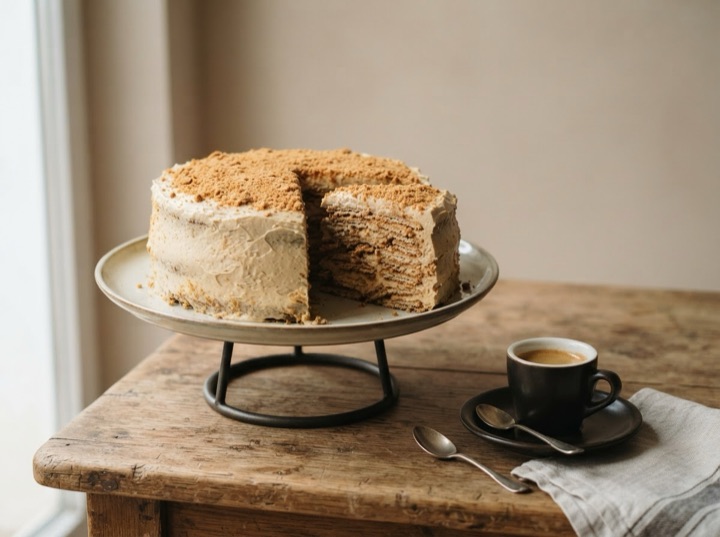
9. Bolo de bolacha
Not from a bakery, but from every Portuguese family's birthday table: Maria biscuits soaked in coffee and layered with buttercream. Our recipe.
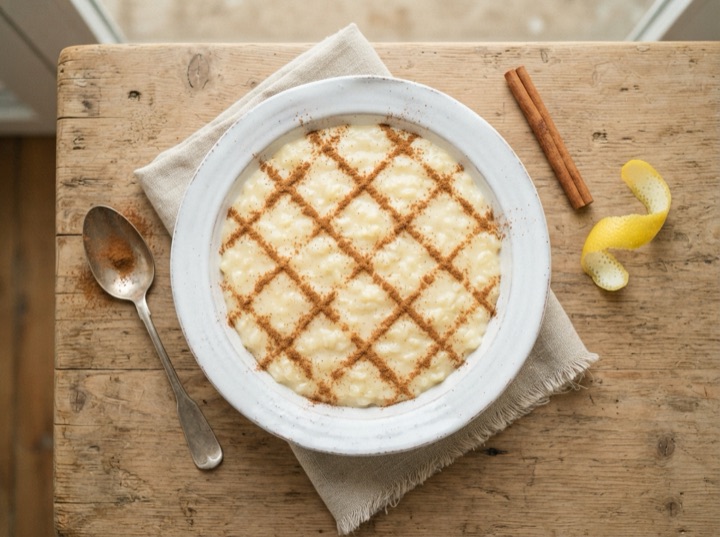
10. Arroz doce
Rice pudding decorated with cinnamon lines. Found at every festa and on most tasca dessert lists. Recipe.
Bake at home
The one tool worth buying is a set of proper nata tins. They give a thinner, crisper base than a muffin tray.
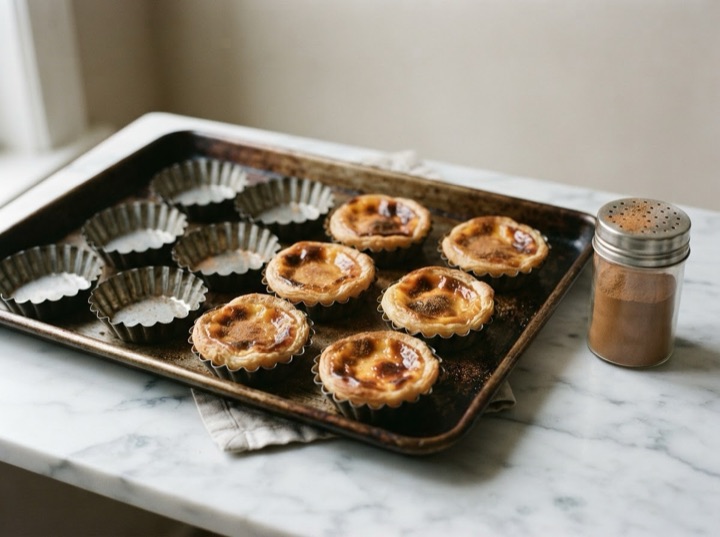
Pastel de nata tins, made in Portugal
The small fluted tins that give natas their thin, crisp base, made in Portugal like the ones pastelarias use.
Tip: Don't wash them in the dishwasher. Wipe them clean and they'll season over time.
What you’ll need
Links go to Amazon, where you can check today’s price. If you buy, we earn a small commission at no extra cost to you.
Pastel de nata tins, made in Portugal
The small fluted tins that give natas their thin, crisp base, made in Portugal like the ones pastelarias use.
Tip: Don't wash them in the dishwasher. Wipe them clean and they'll season over time.
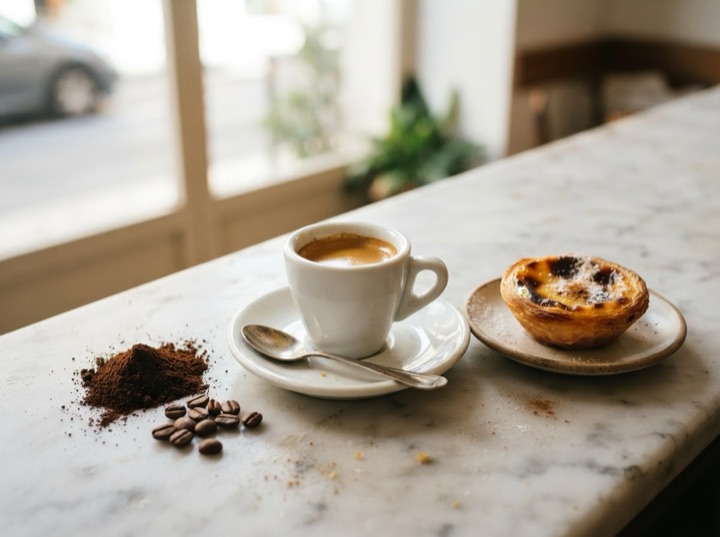
Delta Cafés ground coffee bundle
Portugal's best-known coffee brand, the one in most cafés. Brew it strong for a bica after dinner.
Tip: Ground coffee, so it works in a moka pot or filter.

Bordallo Pinheiro lemon dessert plate
Bright yellow lemon-leaf plate from the same Caldas da Rainha workshop. Perfect under a pastel de nata.
Tip: 20 cm across: dessert and side-plate size.
Frequently asked
What is the most famous Portuguese pastry?
Why do Portuguese desserts use so many egg yolks?
What is the difference between a pastel de nata and a pastel de Belém?
What are ovos moles?
What do you drink with Portuguese pastries?
Recipes from this story
 Air Fryer
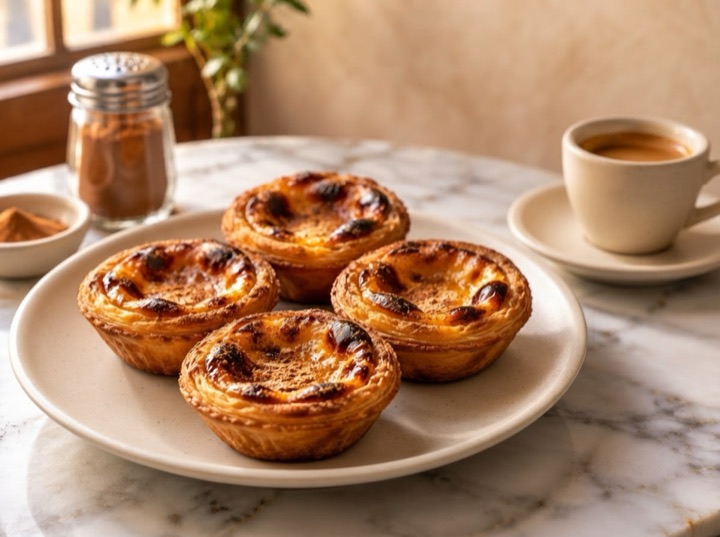
Pastéis de Nata in the Air Fryer
Homemade Portuguese custard tarts with shop-bought puff pastry, baked in the air fryer. Honest tips on getting the blistered tops without a 300 °C oven.
 Traditional
Bolo de BolachaNo-Bake Biscuit and Coffee Cake
Maria biscuits dipped in strong coffee and layered with buttercream. Portugal's favourite no-bake birthday cake, assembled in 30 minutes and chilled overnight.
 Traditional
Arroz DocePortuguese Rice Pudding
Creamy Portuguese rice pudding with lemon peel and cinnamon, finished with egg yolks and the classic cinnamon lattice on top. Served cold, at every celebration.