Portuguese DrinksBeyond Wine, and What to Serve at a Party
Portuguese drinks beyond wine: medronho, aguardente, Licor Beirão, poncha, sangria de espumante, Sumol and imperial, plus a party drinks plan.
 By Mesa de Portugal Kitchen · Updated · 7 min read
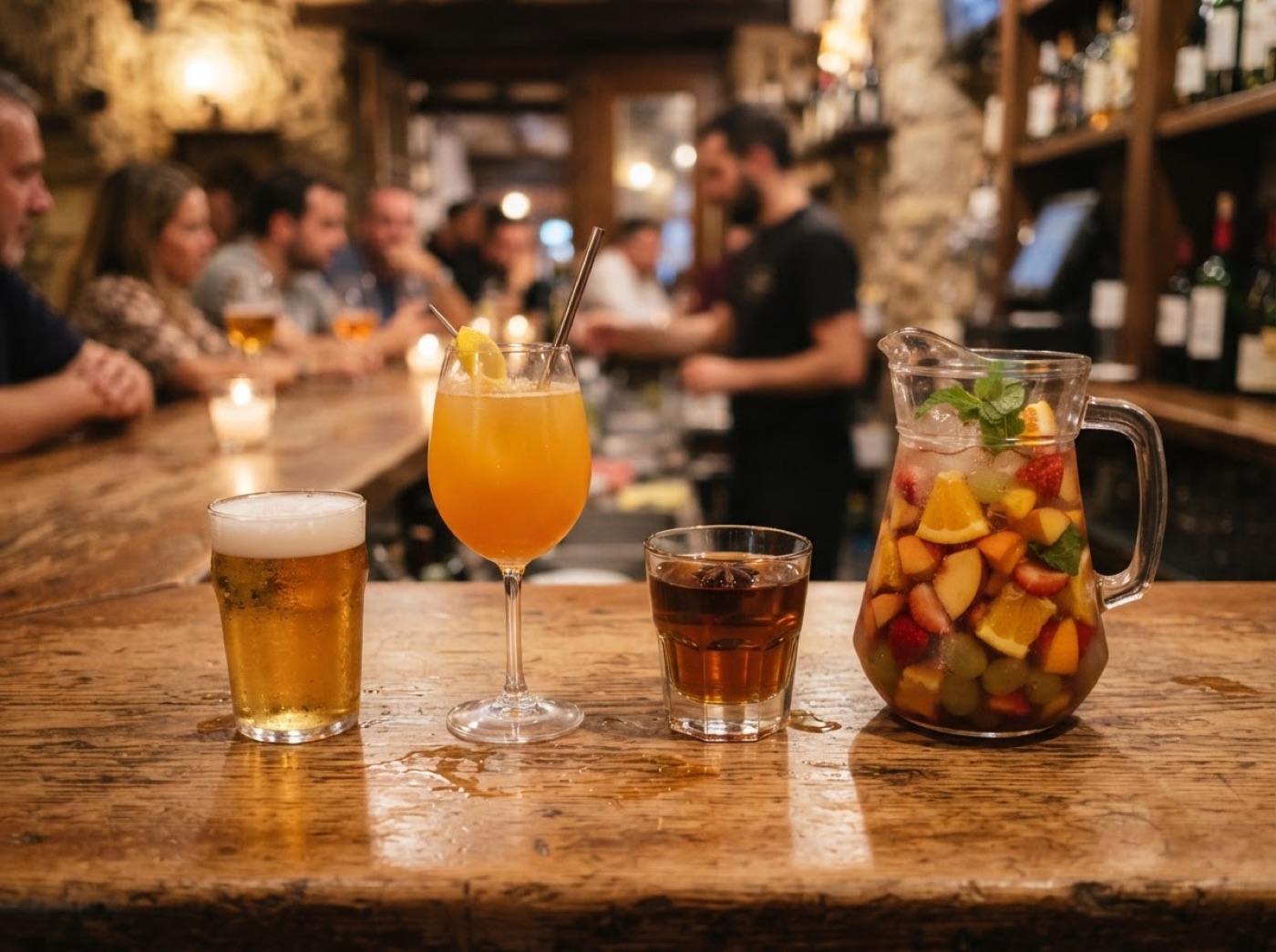
Portuguese drinks go far beyond port and vinho verde. The classics are medronho (a strong strawberry-tree fruit spirit from the Algarve), aguardente (grape brandy), Licor Beirão (a herbal liqueur), poncha (Madeira's honey and lemon punch), ginjinha (sour cherry liqueur) and sangria de espumante. Add a small draught beer, an imperial, and a can of Sumol, and you have what Portugal actually drinks day to day.
Wine still comes first at most tables. If you need the basics on that, start with Portuguese wine for beginners and our guides to port wine and vinho verde. This guide covers everything else.
Portuguese spirits
Medronho
A clear, fiery spirit distilled from the berries of the strawberry tree (medronheiro), which grows wild on the hillsides of the Algarve and Alentejo. The Serra de Monchique is its best-known home. It's typically 40-50% alcohol and tastes fruity, earthy and a little like pear brandy.
Small producers still distil it in copper stills in winter. It's served neat in a small glass, often after a meal, and in the Algarve hills a shot of medronho with a coffee is a familiar way to end lunch. A sweetened version, licor de medronho, is gentler. Our Algarve food guide has more on the region.
Aguardente
Aguardente literally means "burning water" and is the general name for Portuguese brandy and fruit spirits.
- Aguardente bagaceira is made from the skins and pips left over after winemaking, like Italian grappa. It's sharp and strong, especially popular in the north.
- Aguardente velha is aged in wood, so it's smoother and amber, closer to Cognac.
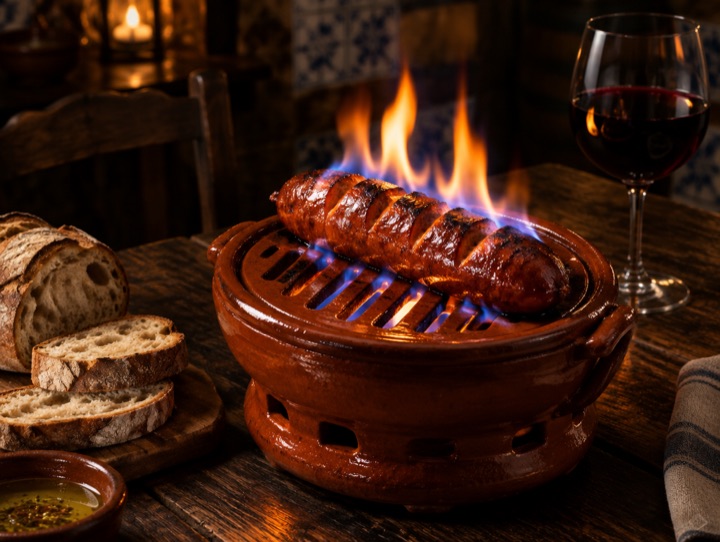
Bagaceira is also what Portuguese cooks use to flame chouriço at the table. See our chouriço assado recipe.
Amarguinha
A sweet almond liqueur from the Algarve, made with bitter almonds. Served very cold, often with a squeeze of lemon. Easy to like even if you don't usually drink liqueurs.
Portuguese liqueurs
Licor Beirão
Portugal's best-known liqueur, made in the town of Lousã, in the Centro region, from a recipe of seeds and herbs. It's sweet and herbal, with notes of orange, cinnamon and aniseed, at around 22% alcohol. You'll see it in almost every café.
How Portuguese people drink it:
- Neat or on ice after dinner.
- Caipirão: a caipirinha made with Beirão instead of cachaça. Muddle lime wedges with a spoonful of brown sugar, fill the glass with crushed ice and pour over Beirão.
- With tonic and an orange slice for a long drink.
Ginjinha
The sour cherry liqueur of Lisbon and Óbidos, served in tiny glasses or chocolate cups. It has its own full guide: ginjinha explained.
Poncha, Madeira's drink
Poncha is the traditional drink of Madeira. The classic version is made with aguardente de cana (sugar cane spirit), honey and fresh lemon juice, stirred hard with a wooden stick called a mexelote until the honey dissolves. Bars on the island also make orange, passion fruit and other fruit versions.
It's sweet and tart, and much stronger than it tastes. To make it at home, use roughly 1 part honey to 2 parts lemon juice and 2-3 parts white rum or cane spirit, stirred well. Serve in short glasses. More on the island in our guide to what to eat in Madeira.
Sangria de espumante
Spanish-style red sangria exists in Portugal, but at Portuguese weddings, christenings and summer parties you'll more often see sangria de espumante: white sangria made with sparkling wine.
A simple version for 6-8 people:
- In a large jug, add sliced oranges, lemons, strawberries and a handful of mint.
- Pour in 100 ml of Licor Beirão or a fruit liqueur, and 2 tablespoons of sugar. Stir and chill for an hour.
- Just before serving, add ice and one 75 cl bottle of chilled espumante (Portuguese sparkling wine) plus 330 ml of lemon soda or Sprite.
Add the bubbles at the last minute so they don't go flat.
Hand-painted Portuguese pottery pitcher
A blue hand-painted ceramic jug, 900 ml, for water, sangria or wine at the table.
Tip: Handmade, so each piece is unique.
Beer: imperial, fino and traçadinho
Portugal is a lager country, and two big brands dominate: Sagres and Super Bock. Ask by size, not by brand.
- Imperial (eem-peh-ree-AHL) is a small draught beer, about 20 cl, in Lisbon and the south.
- Fino (FEE-noo) is the same small draught beer in Porto and the north.
- Caneca is a large mug, around 50 cl.
Small glasses are the norm because the beer stays cold. Locals order another rather than nurse a large one.
Traçadinho is a tasca mix, most commonly wine topped with gasosa (a sweet lemon soda), and sometimes beer with gasosa. It's a light, cheap summer drink you'll mostly find in old-school bars, a cousin of a spritzer or a shandy.
Soft drinks: Sumol and friends
Sumol is Portugal's classic fizzy fruit drink, on the market since the 1950s. It contains fruit juice and comes in orange, pineapple, passion fruit and other flavours. Pineapple Sumol is a strong favourite. You'll find it at every café, beach bar and family lunch.
Other soft drinks worth knowing: Compal fruit juices and nectars, gasosa (lemon soda) and Água das Pedras, a naturally sparkling mineral water from the north, often ordered after a heavy meal.
And of course, coffee. A bica or café ends almost every meal.
What to serve at a Portuguese-themed party
A simple plan for 10-12 people that covers every type of guest:
- On arrival: a big jug of sangria de espumante, or Portónicos (white port and tonic with lemon and mint).
- With petiscos: chilled vinho verde and a bucket of small beers. Plan on about one bottle of wine per two guests over an evening, plus 2-3 beers per beer drinker. Our petiscos night guide covers the food.
- With the main course: a red from the Douro or Alentejo.
- With dessert: a 10-year-old tawny port or a bottle of ginjinha with small glasses.
- To finish: coffee, plus Licor Beirão on ice or a small glass of medronho for the brave.
- For non-drinkers: Sumol, sparkling water with lemon, and an alcohol-free sangria made with grape juice and sparkling water.
Vista Alegre Bicos goblets, set of 4
Vista Alegre has made porcelain and glass in Portugal since 1824. These goblets suit a Vinho Verde with your cataplana.
Tip: All-purpose goblets: wine, water or sangria.
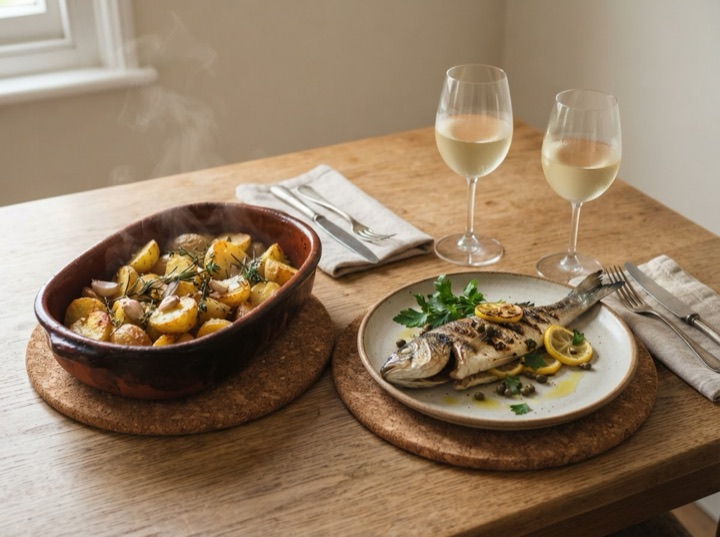
Casafina Portuguese cork placemats, set of 4
Portugal produces about half the world's cork. These heat-safe placemats take a hot cataplana or clay pot.
Tip: Wipe clean with a damp cloth. Don't soak them.
What you’ll need
Links go to Amazon, where you can check today’s price. If you buy, we earn a small commission at no extra cost to you.
Hand-painted Portuguese pottery pitcher
A blue hand-painted ceramic jug, 900 ml, for water, sangria or wine at the table.
Tip: Handmade, so each piece is unique.
Vista Alegre Bicos goblets, set of 4
Vista Alegre has made porcelain and glass in Portugal since 1824. These goblets suit a Vinho Verde with your cataplana.
Tip: All-purpose goblets: wine, water or sangria.
Casafina Portuguese cork placemats, set of 4
Portugal produces about half the world's cork. These heat-safe placemats take a hot cataplana or clay pot.
Tip: Wipe clean with a damp cloth. Don't soak them.
Frequently asked
What is the most popular drink in Portugal?
What is the national liqueur of Portugal?
What is medronho made from?
What is the difference between an imperial and a fino?
What is poncha?
Recipes from this story
 Air Fryer
Chouriço Assado Two WaysClay Grill or Air Fryer
Flame-grilled Portuguese chouriço in a clay assador, the way it's done at the table in Portugal, plus a no-fire air fryer version for weeknights.
 Food culture
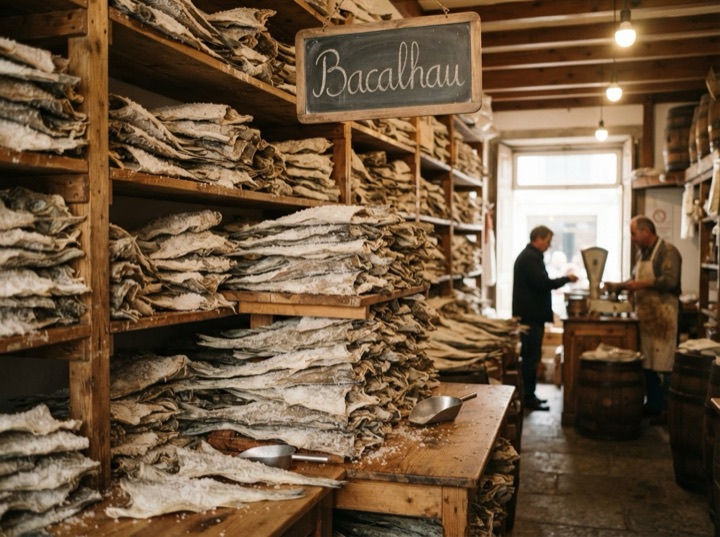
Why Do Portuguese Eat BacalhauThe Story of the Faithful Friend
Why do Portuguese eat bacalhau when no cod swims off Portugal? Salt, Catholic fasting, Newfoundland fleets and the Estado Novo, explained simply.
 Eat like a local
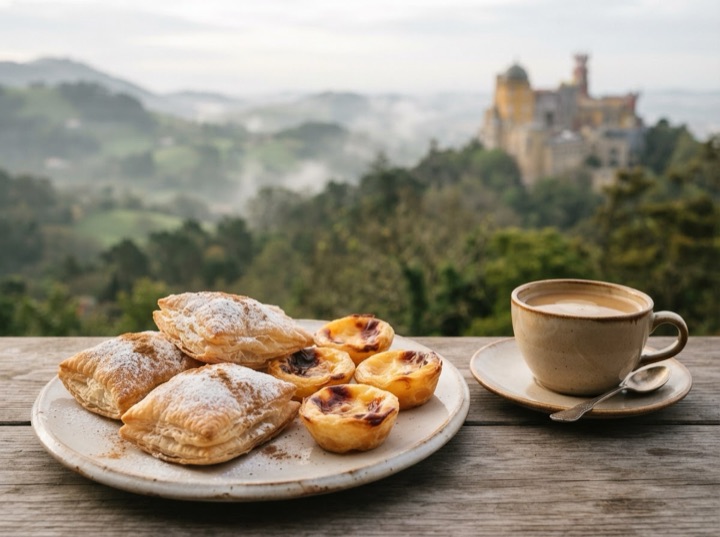
What to Eat in SintraTravesseiros, Queijadas and the Coast
What to eat in Sintra: travesseiros and queijadas, Colares wine, and grilled fish on the nearby coast, plus tips to eat well on a Sintra day trip.