Vinho VerdeWhat It Is and What to Eat With It
Vinho verde is a region, not a "green wine". What it tastes like, why it's slightly fizzy, Alvarinho vs Loureiro, red vinho verde and the food to pair.
 By Mesa de Portugal Kitchen · Updated · 7 min read
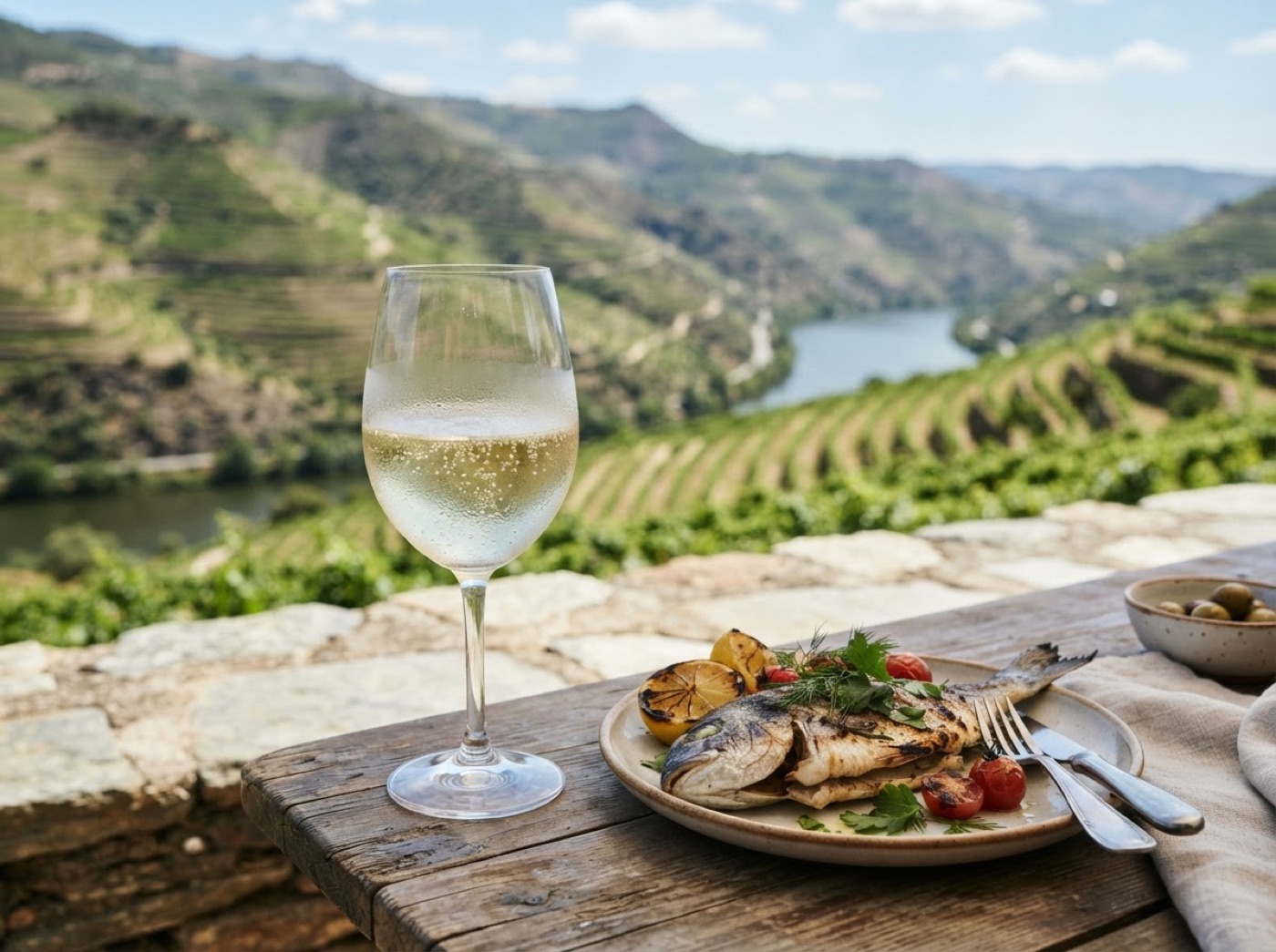
Vinho verde is wine from the Vinho Verde region in the far north-west of Portugal, the green, rainy Minho. The name means "green wine", but it refers to the region and to drinking the wine young, not to the colour. Most bottles are crisp, light, low-alcohol whites, sometimes with a gentle prickle of bubbles. Red, rosé and sparkling versions exist too.
It's the wine Portuguese people pour with grilled fish in summer, and one of the best-value whites in Europe. A decent everyday bottle costs around €3-6 in a Portuguese supermarket.
Is vinho verde a type of grape?
No. It's a Denominação de Origem (protected designation of origin), one of the oldest in Portugal, first demarcated in 1908. The region runs from the Minho river on the Spanish border down to the Douro, with the Atlantic on one side and mountains on the other. Rain, granite soils and cool sea air give the wines their high acidity and freshness.
The region is split into nine sub-regions, and you'll sometimes see their names on the label, such as Monção e Melgaço, Lima, Cávado, Ave, Amarante or Basto.
Why is vinho verde slightly fizzy?
Originally the fizz was natural. The wines were bottled young, and a little fermentation carried on in the bottle, leaving a light sparkle. Today most large producers add a touch of carbon dioxide at bottling to give that same prickle consistently. You'll find it in the cheaper, everyday styles.
Many of the better wines, especially single-grape Alvarinho and Loureiro, are made completely still. If a bottle has no fizz, nothing is wrong with it.
What does vinho verde taste like?
A classic white vinho verde tastes of lemon, green apple and grapefruit, with a hint of salt and very high acidity. It's light: usually 9-11.5% alcohol for blended everyday wines, and often a little off-dry to balance the acidity. Higher-quality single-grape wines are drier, fuller and reach around 12-13.5%.
The main grapes
Alvarinho
The star grape, grown mainly in Monção e Melgaço, right on the Minho river. It's the same grape Spain calls Albariño across the border. Alvarinho vinho verde is fuller, richer and more aromatic than the everyday style, with peach, citrus and floral notes, and it can age for a few years. Expect to pay more, roughly €8-20.
Loureiro
Named after louro, the bay laurel. It's floral and very fresh, with lime, orange blossom and sometimes a bay-leaf note. Loureiro is the main grape around the Lima valley and a good choice if you like aromatic whites.
The supporting cast
- Arinto (called Pedernã locally) brings sharp acidity.
- Trajadura adds body and softness in blends.
- Avesso gives fuller, rounder wines, mostly in the south of the region near the Douro.
- Azal is lean and citrusy, mostly from the inland valleys.
Most cheap vinho verde is a blend of several of these.
Red vinho verde
Outside Portugal almost nobody knows it, but red vinho verde (vinho verde tinto) was for a long time what the Minho drank most. It's made mainly from the Vinhão grape, which has dark juice as well as dark skin. The result is purple-black, tart, slightly fizzy and quite tannic, more like a sharp, refreshing country wine than a smooth red.
In the Minho it's traditionally served chilled in a white porcelain bowl called a malga, so the deep colour stains the inside. It goes with rich, fatty dishes: roast pork, rojões (fried pork chunks), sarrabulho and grilled sardines. It's an acquired taste, but if you visit Braga or Ponte de Lima, try it once. Our sibling guide on what to eat in Braga and the Minho covers the food that goes with it.
Rosé and sparkling vinho verde
Rosé vinho verde is usually light, fruity and off-dry, made for the beach and the terrace. Espumante (sparkling) vinho verde is made both by the traditional method and in tank, and is a cheap, crisp alternative to Champagne for parties.
What to eat with vinho verde
The rule is simple: the saltier, oilier and more seafood-heavy the food, the better vinho verde works. The acidity cuts through oil and refreshes the mouth.
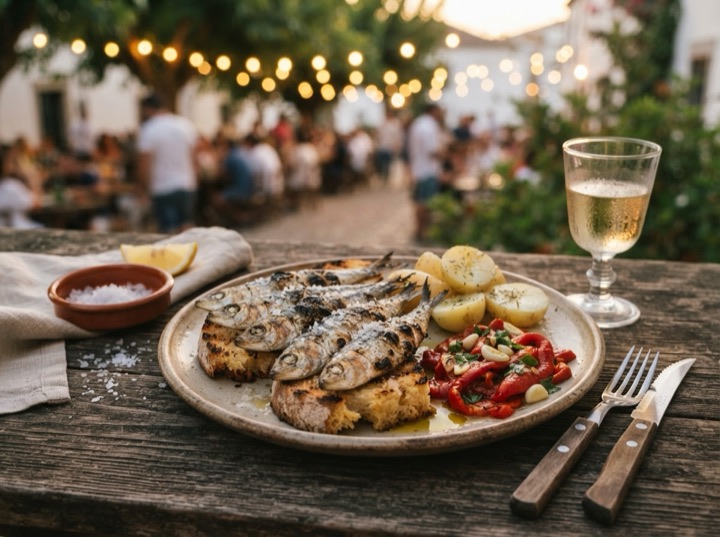
- Grilled sardines in June, the classic match. See our guide to how to grill sardines, or make air fryer sardinhas assadas at home.
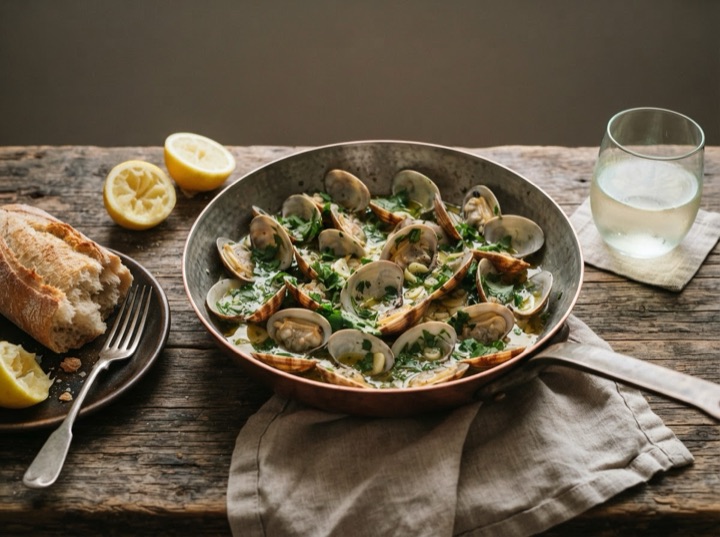
- Clams in garlic and coriander: amêijoas à Bulhão Pato.
- Fried fish and seafood: fried squid (lulas fritas), fried horse mackerel (carapaus fritos) and pastéis de bacalhau.
- Tinned fish on toast: a classic Portuguese snack and dinner. Read our Portuguese tinned fish guide.
- Alvarinho stands up to richer dishes: cataplana de marisco, octopus, roast chicken and bacalhau with cream.
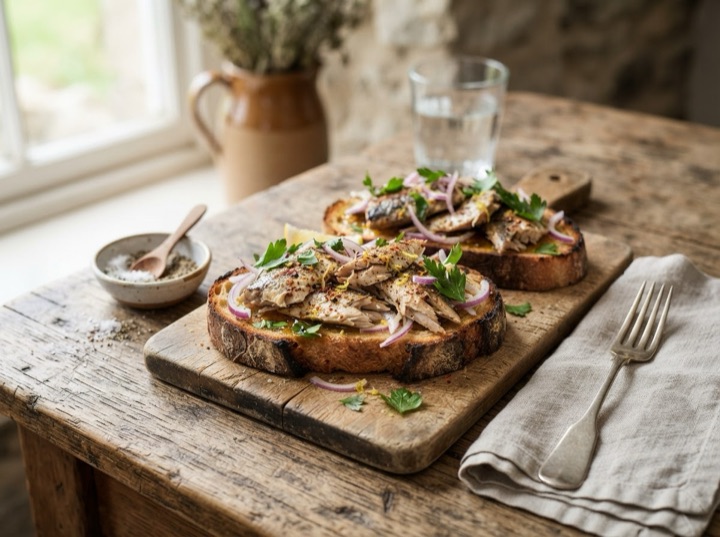
Nuri spiced mackerel in olive oil, 4 pack
From the Pinhais cannery in Matosinhos, where much of the work is still done by hand. Meaty mackerel with a gentle spice.
Tip: On toast with lemon, or folded through warm potatoes.
Outside Portuguese food, vinho verde is excellent with sushi, Thai salads, fish and chips and anything with lemon and herbs.
How to serve vinho verde
- Serve it cold: 6-8 °C for everyday whites, 8-10 °C for Alvarinho and Loureiro. Red vinho verde is served chilled too, around 10-12 °C.
- Drink it young. Everyday vinho verde is made for drinking within a year or so of the harvest. Check the vintage on the label and pick the most recent.
- Use a simple glass. A plain white wine glass is all it needs. At a summer lunch, many Portuguese families pour it straight from a jug into tumblers.

Hand-painted Portuguese pottery pitcher
A blue hand-painted ceramic jug, 900 ml, for water, sangria or wine at the table.
Tip: Handmade, so each piece is unique.
How to read the label
- Vinho Verde DOC on the label and the official seal on the neck tell you it's from the region.
- Alvarinho or Loureiro on the front means a single-grape wine, usually still and better quality.
- Seco means dry. Meio seco means off-dry.
- A sub-region name such as Monção e Melgaço means the grapes came from that smaller area.
For the wider picture of Portuguese regions, from the Douro to the Alentejo, see Portuguese wine for beginners.
What you’ll need
Links go to Amazon, where you can check today’s price. If you buy, we earn a small commission at no extra cost to you.

Vista Alegre Bicos goblets, set of 4
Vista Alegre has made porcelain and glass in Portugal since 1824. These goblets suit a Vinho Verde with your cataplana.
Tip: All-purpose goblets: wine, water or sangria.
Hand-painted Portuguese pottery pitcher
A blue hand-painted ceramic jug, 900 ml, for water, sangria or wine at the table.
Tip: Handmade, so each piece is unique.
Nuri spiced mackerel in olive oil, 4 pack
From the Pinhais cannery in Matosinhos, where much of the work is still done by hand. Meaty mackerel with a gentle spice.
Tip: On toast with lemon, or folded through warm potatoes.
Frequently asked
Is vinho verde actually green?
Is vinho verde sweet or dry?
Why is vinho verde bubbly?
What is the difference between Alvarinho and vinho verde?
What food goes with vinho verde?
Recipes from this story
 Air Fryer
Sardinhas Assadas in the Air FryerGrilled Sardines
The smell of Lisbon in June, without a charcoal grill: whole salted sardines crisped in the air fryer, served on bread with roasted pepper salad.
 Traditional
Amêijoas à Bulhão PatoClams with Garlic and Coriander
Clams steamed open in olive oil, garlic, coriander and a squeeze of lemon. Lisbon's favourite seafood petisco, ready in 10 minutes once the clams are clean.
 Air Fryer
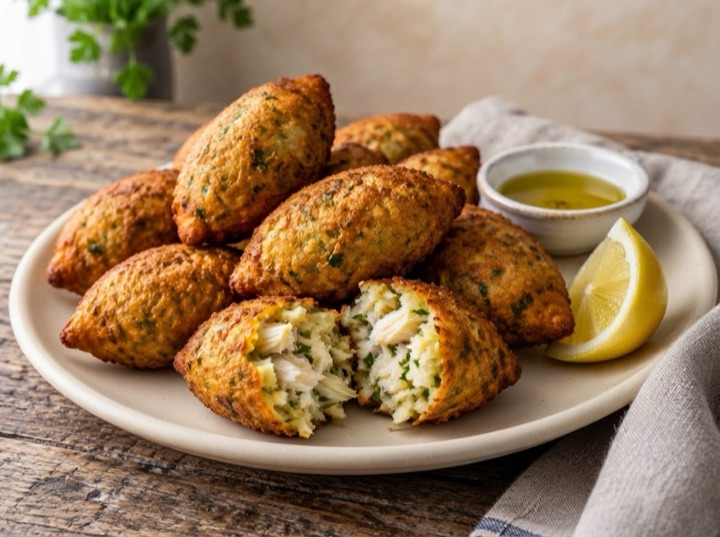
Pastéis de Bacalhau in the Air Fryer
Portugal's favourite salt cod fritters made in the air fryer: crisp outside, fluffy inside, with no pot of hot oil. Includes how to soak the bacalhau.