Minho FoodWhat to Eat in Braga and Northern Portugal
Minho food explained dish by dish: caldo verde, bacalhau à Braga, rojões, arroz and papas de sarrabulho, vinho verde and pudim Abade de Priscos.
 By Mesa de Portugal Kitchen · Updated · 7 min read
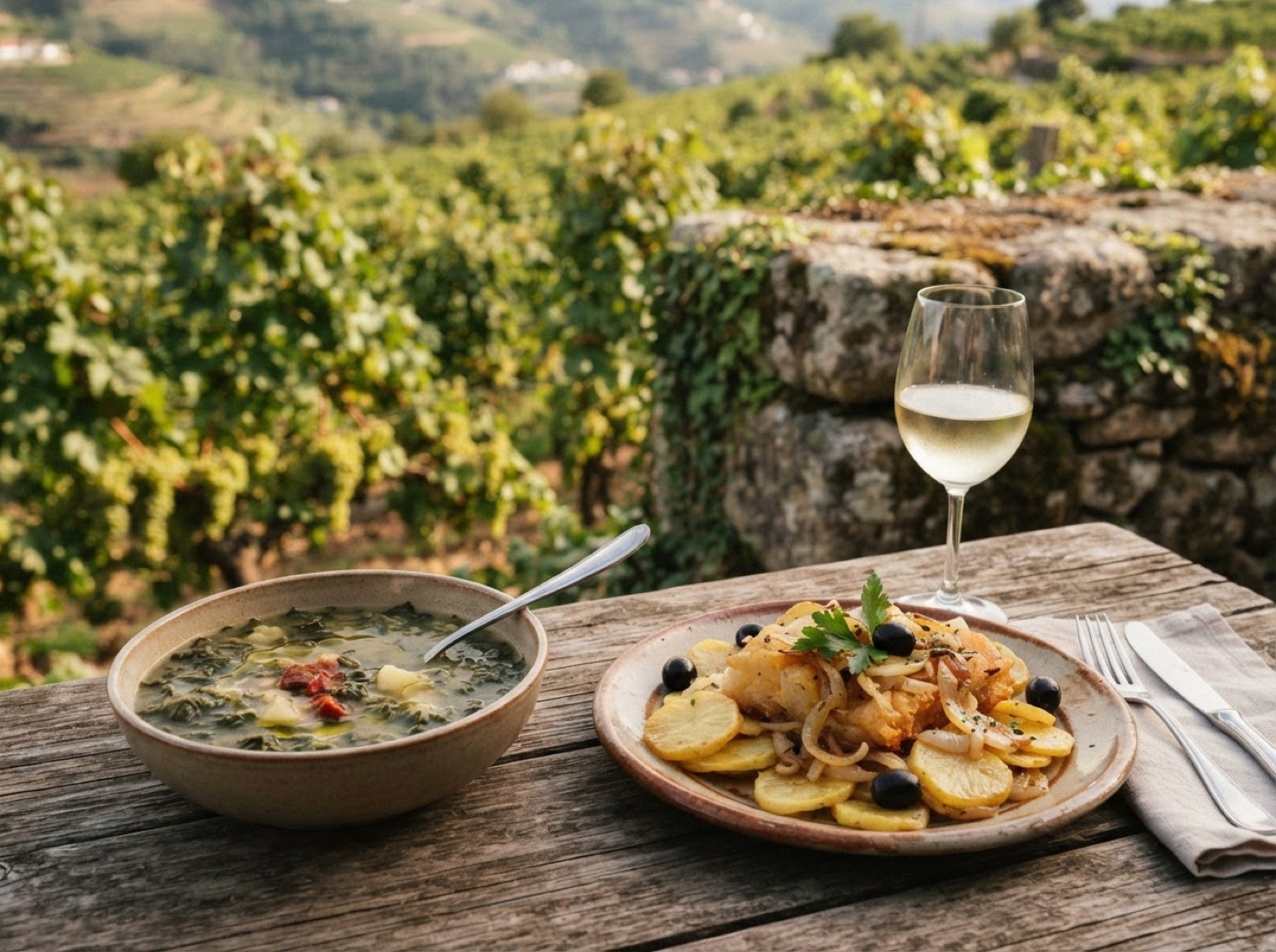
Minho food is the cooking of Portugal's green, rainy north-west, around Braga, Guimarães, Barcelos, Ponte de Lima and Viana do Castelo. Eat caldo verde (kale soup), bacalhau à Braga (fried salt cod with onions and potatoes), rojões (fried marinated pork), arroz and papas de sarrabulho (rice and porridge rich with pork and blood), drink vinho verde, and finish with pudim Abade de Priscos.
This is farm cooking. The region is full of small plots, vines trained high on pergolas, maize fields and pigs. Expect pork in every form, corn bread, big portions and cheap, fresh wine. If Porto feels hearty, the Minho goes one step further.
Soups and bread
Caldo verde
The Minho is caldo verde country. Potato and onion are cooked and blended, then couve galega (a tall, dark-leaved Portuguese cabbage) is sliced into fine ribbons and simmered for only a few minutes so it stays bright green. A slice of chouriço and a drizzle of olive oil go on top. It's served at lunch, at festivals and at the end of a wedding. Our caldo verde recipe shows how to shred the greens thin enough, and our Portuguese soups guide covers the rest of the family.
Broa de milho
Dense, crusty corn and rye bread, baked in wood ovens. You'll be given a basket with almost every meal. It's excellent with caldo verde and with sardines. Our Portuguese bread guide explains the regional loaves.
Main dishes to order
Bacalhau à Braga
Thick pieces of soaked salt cod, fried until golden, served with slow-cooked onions and sliced fried potatoes, and often a few olives. It's simpler than many cod dishes and lets the fish taste of itself. If you want to try cooking it, start with our guide on how to soak bacalhau, since the soak decides the result.
Rojões à moda do Minho
Cubes of pork, marinated in white wine, garlic, bay and paprika, then fried slowly in lard until browned and crisp at the edges. On a full plate (rojões à minhota) they come with fried potatoes, fried liver, tripa enfarinhada (floured fried tripe), cooked blood and chestnuts in season. It's a feast plate. A smaller order of just pork and potatoes is easy to find too.
Arroz de sarrabulho
The Minho's famous rice dish: rice cooked in a rich stock with pork, chicken and sometimes beef, then darkened with pig's blood and seasoned with cumin. The texture is loose and wet, almost soupy. Ponte de Lima is especially known for it. It's often served together with rojões. It sounds challenging, but most people who try it find it simply tastes deep and meaty.
Papas de sarrabulho
Braga's version of the same idea, but thicker: a porridge of bread or flour cooked with meats, offal and blood, plus cumin. It's winter food, and you'll mostly see it from autumn to early spring.
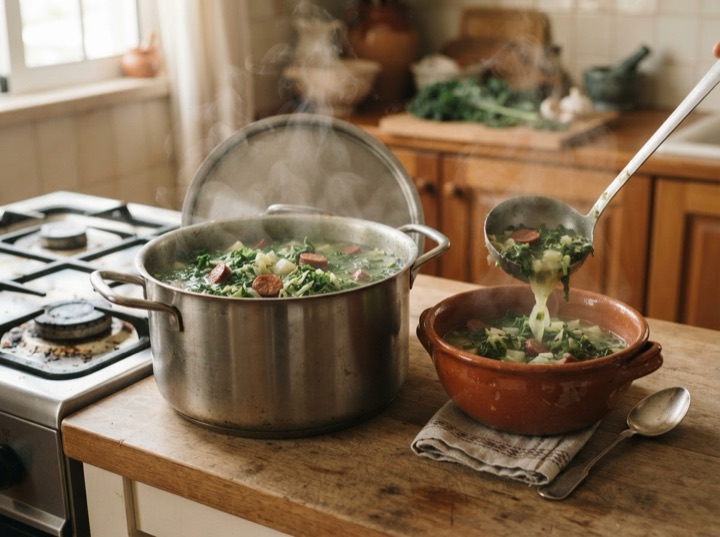
Farberware 6-quart stainless stockpot
A best-selling stockpot for caldo verde, octopus and cooking bacalhau.
Tip: Works on all hobs, including induction.
Lampreia
From roughly January to April, the Minho river region serves lamprey, usually as arroz de lampreia (lamprey rice cooked with its blood and red wine). It's a seasonal delicacy with a strong, gamey flavour. Restaurants advertise it on handwritten signs when it's in.
Cabrito and roast meats
Roast kid (cabrito assado) with potatoes is the classic Sunday and feast-day roast in much of the north. Clay dishes and wood ovens are traditional.
What to drink in the Minho
Vinho verde
The Minho is the home of vinho verde, the "green wine". Green refers to its youth, not its colour. The whites are light, fresh and often slightly spritzy, made from grapes like Alvarinho and Loureiro. They're cheap, low in alcohol and made for this food. Our vinho verde guide explains the styles and how to choose a bottle.
Red vinho verde
Locals also drink red vinho verde, often made from the Vinhão grape. It's deep purple, sharp and tannic, and traditionally drunk from white porcelain bowls (malgas) with fatty pork dishes like rojões and sarrabulho. It's an acquired taste, but with that food it makes sense.
Sweets: pudim Abade de Priscos and more
Pudim Abade de Priscos
Braga's famous dessert is a silky, deep-yellow pudding made with egg yolks, sugar, port wine, lemon, cinnamon and, unusually, a little toucinho (pork fat). It's named after Manuel Joaquim Machado Rebelo, the 19th-century abbot of Priscos, a parish near Braga, who was known as a gifted cook. It's richer and smoother than a crème caramel. Our guide to Portuguese convent sweets explains why so many Portuguese desserts are built on egg yolks and sugar.
Other sweets to look for
- Frigideiras de Braga: small puff-pastry pies filled with meat, a savoury snack despite being sold in pastry shops.
- Pão de ló: soft sponge cake, found across the north.
- Rabanadas: fried sweet bread, mostly at Christmas. See our Portuguese Christmas food guide.
Where to eat it
Braga
Braga is a good base. It's a university city with plenty of tascas serving rojões, bacalhau à Braga and papas de sarrabulho at lunch. Easter week in Braga is famous for its processions, and pastry shops are full of seasonal sweets then. Our Portuguese Easter food post covers what's eaten.
Barcelos
Barcelos holds a large weekly market on Thursdays, with produce, pottery and live animals. It's also the town behind the galo de Barcelos, the painted rooster that became a symbol of Portugal. According to the legend, a roasted cockerel stood up and crowed to prove a pilgrim's innocence.
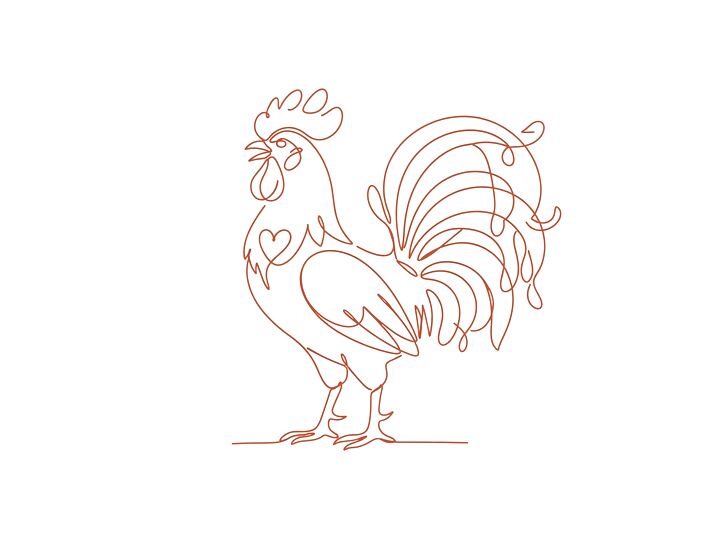
Galo de Barcelos hand-painted rooster
Portugal's symbol of good luck, hand-painted clay. Every Portuguese kitchen seems to have one somewhere.
Tip: Handmade, so the colours vary from piece to piece.
Ponte de Lima and Viana do Castelo
Ponte de Lima is the place for arroz de sarrabulho. Viana do Castelo, on the coast, adds more fish and seafood to the mix, plus its own festivals in August.
Cooking Minho food at home
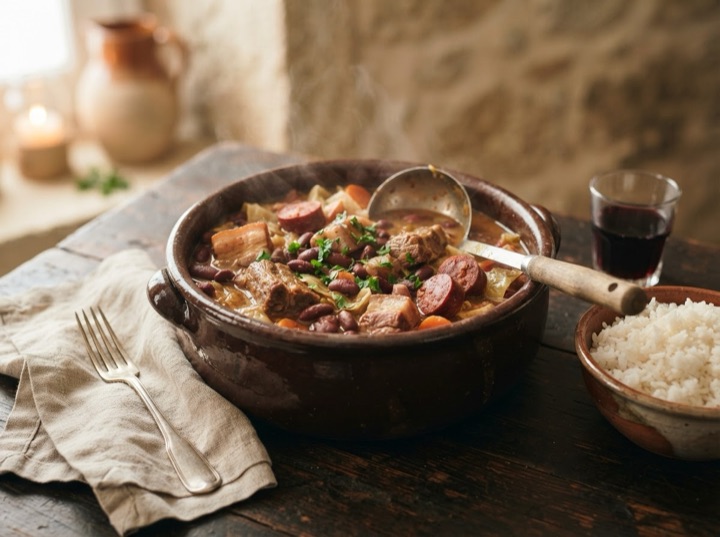
The easiest Minho dishes to recreate are caldo verde and bacalhau à Braga. Rojões also work well at home with pork shoulder: marinate overnight in white wine, garlic, bay and paprika, then fry slowly. For a broader picture of northern home cooking, our recipe for feijoada à transmontana comes from the neighbouring Trás-os-Montes region, and a good general cookbook helps fill the gaps.

Authentic Portuguese Cooking (cookbook)
Over 185 classic recipes from mainland Portugal, the Azores and Madeira. A highly rated home-cooking reference.
Tip: Good for family recipes you remember but never wrote down.
What you’ll need
Links go to Amazon, where you can check today’s price. If you buy, we earn a small commission at no extra cost to you.
Galo de Barcelos hand-painted rooster
Portugal's symbol of good luck, hand-painted clay. Every Portuguese kitchen seems to have one somewhere.
Tip: Handmade, so the colours vary from piece to piece.
Farberware 6-quart stainless stockpot
A best-selling stockpot for caldo verde, octopus and cooking bacalhau.
Tip: Works on all hobs, including induction.
Authentic Portuguese Cooking (cookbook)
Over 185 classic recipes from mainland Portugal, the Azores and Madeira. A highly rated home-cooking reference.
Tip: Good for family recipes you remember but never wrote down.
Frequently asked
What food is the Minho known for?
What is Braga's typical dish?
What is sarrabulho?
Is vinho verde from the Minho?
Recipes from this story
 Traditional
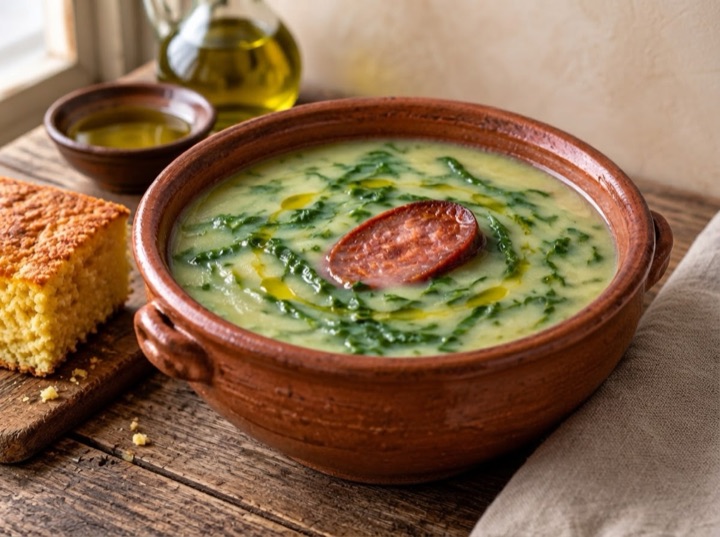
Caldo VerdePortuguese Green Soup
Portugal's national soup: a silky potato base, ribbons of finely shredded greens and a slice of chouriço on top. Simple, cheap and done in 40 minutes.
 Traditional
Feijoada à TransmontanaBean and Pork Stew
Red beans slow-cooked with pork, chouriço, cabbage and carrots, the hearty winter stew of Trás-os-Montes. A home version that skips the hard-to-find cuts.
 Food culture
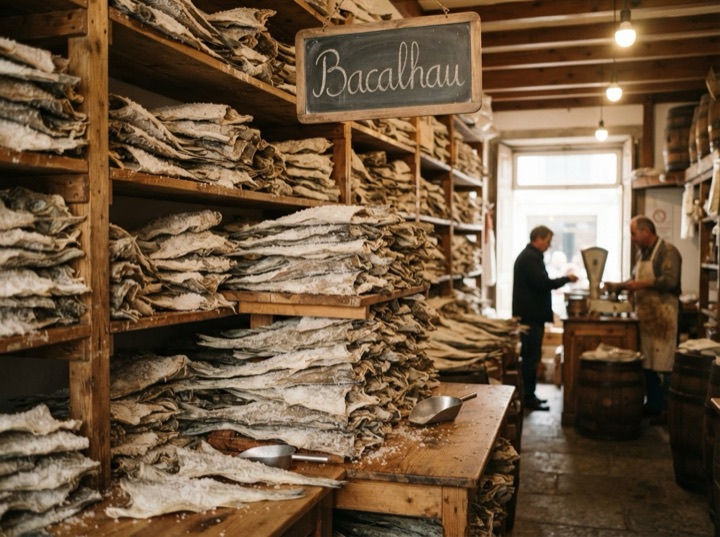
Why Do Portuguese Eat BacalhauThe Story of the Faithful Friend
Why do Portuguese eat bacalhau when no cod swims off Portugal? Salt, Catholic fasting, Newfoundland fleets and the Estado Novo, explained simply.