GinjinhaPortugal's Sour Cherry Liqueur Explained
Ginjinha, Portugal's sour cherry liqueur: how it's made, ordering it in Lisbon and Óbidos, com elas or sem elas, chocolate cups and serving it at home.
 By Mesa de Portugal Kitchen · Updated · 7 min read
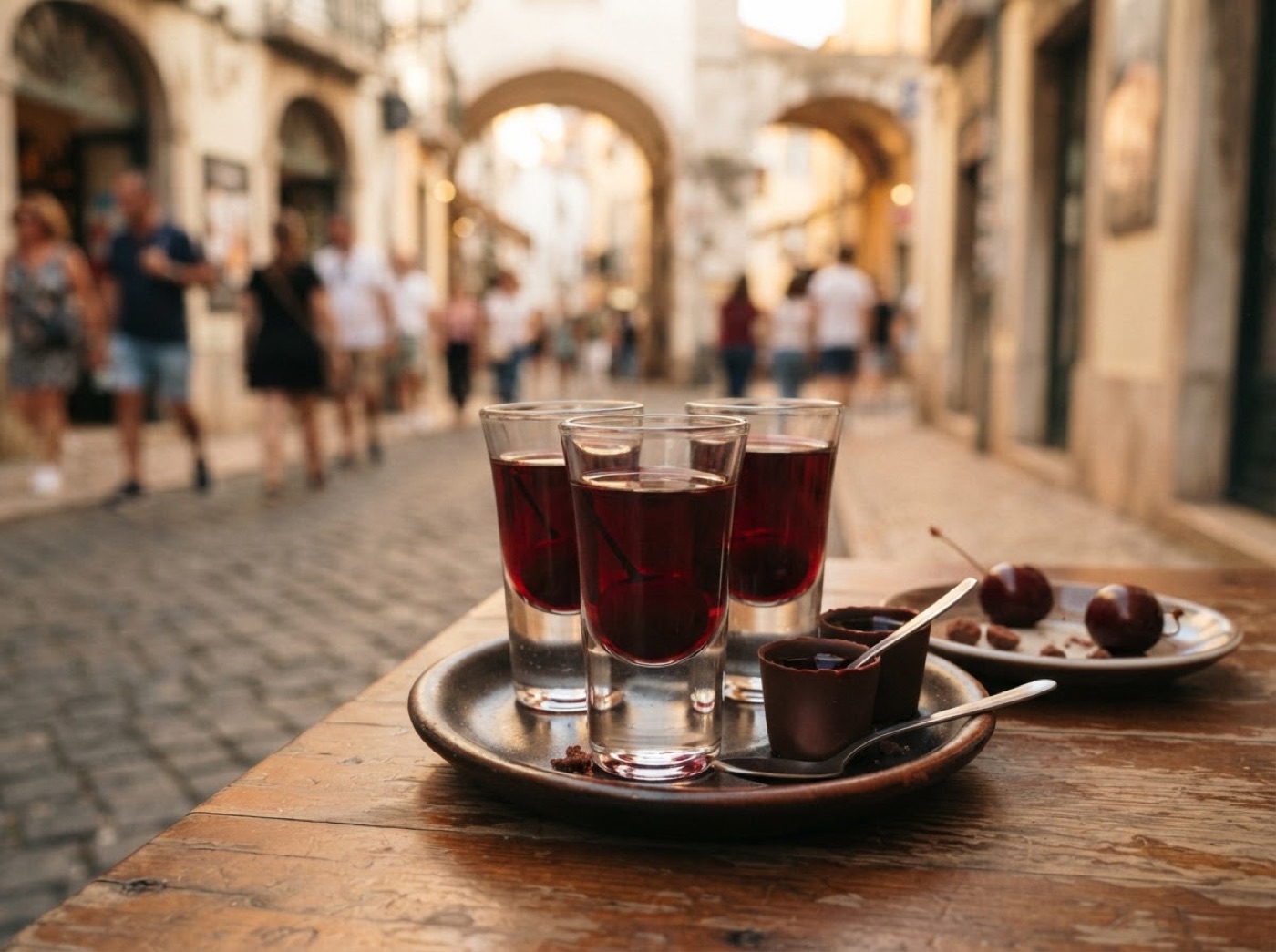
Ginjinha (also just ginja) is a sweet, ruby-red liqueur made by soaking sour Morello cherries in grape brandy with sugar. It's usually around 18-24% alcohol and tastes of tart cherry, almond and a little spice. In Portugal it's drunk as a single small shot, standing at a counter in Lisbon or from an edible chocolate cup in the walled town of Óbidos.
It's one of the cheapest pleasures in Portugal. A glass at a Lisbon counter typically costs around €1.50-2.
What is ginja?
Ginja is the Portuguese name for the sour cherry (Prunus cerasus), smaller, darker and much more acidic than a sweet eating cherry. On their own, ginjas are almost too sour to eat. Steeped in alcohol with sugar, they turn into something rich and warming.
Ginjinha is the affectionate diminutive, "little ginja". In Lisbon people say both; in the Oeste region around Óbidos you'll mostly hear ginja.
How ginjinha is made
The method is old and simple:
- Ripe sour cherries are picked in early summer.
- They go into a vat or jar with aguardente (a clear grape or fruit brandy) and sugar.
- Some producers add a cinnamon stick, a clove or a strip of citrus peel. Recipes are closely guarded.
- The mix steeps for months while the fruit gives up its colour and flavour. The cherry stones add a gentle almond note.
- The liqueur is filtered and bottled, sometimes with whole cherries left in.
The ginja from the Óbidos and Alcobaça area is protected in the EU as Ginja de Óbidos e Alcobaça, a Protected Geographical Indication registered in 2016, which covers the local fruit and the liqueur made with it.
Com elas or sem elas?
The first thing a Lisbon bartender will ask is whether you want it with the fruit.
- Com elas (kong EH-lahsh) means "with them": your glass gets one or two soaked cherries.
- Sem elas (sayng EH-lahsh) means "without them": just the liqueur.
The cherries are boozy and soft, and still have their stones, so eat them slowly and don't bite down hard. Most first-timers choose com elas for the experience.
Ginjinha in Lisbon
Lisbon's ginjinha culture centres on the streets around Rossio and Largo de São Domingos, where tiny bars no wider than a doorway pour shots straight from the counter. The best known is A Ginjinha on Largo de São Domingos, which has been serving since the 1840s. People drink their glass outside on the pavement and hand the glass back when they're done.
It's drunk at any time of day: after lunch as a digestivo, on the way home from work, or late at night. A shot is a quick stop, not a sit-down drink. Our guide to what to eat in Lisbon lists what to eat nearby.
Ginjinha in Óbidos and the chocolate cup
In Óbidos, about an hour north of Lisbon, ginja is sold in shops and stalls all along the main street inside the medieval walls. Here it comes in a small chocolate cup (copo de chocolate). You drink the liqueur and then eat the cup, so each shot is a tiny dessert too.
Óbidos also holds a chocolate festival, and ginja and chocolate together have become the town's signature. Visitors often buy a bottle and a pack of chocolate cups to take home. The ginja from Óbidos tends to be a little sweeter and thicker than Lisbon's counter ginjinha, though it varies by producer.
How to serve ginjinha at home
Ginjinha is easy to share at a dinner party and costs little. Bottles are sold in Portuguese supermarkets and at the airport, usually for around €8-15.
- Glasses: use small shot or liqueur glasses, 30-50 ml. Small clear glasses show off the colour.
- Temperature: traditionally room temperature. Many people now like it lightly chilled in summer.
- Chocolate cups: buy ready-made dark chocolate cups, or make your own with silicone moulds. Chill the cups so they don't melt as you pour, and fill them just before serving.
- Fruit: if your bottle has cherries in it, spoon one into each glass for the com elas version.
Vista Alegre Bicos goblets, set of 4
Vista Alegre has made porcelain and glass in Portugal since 1824. These goblets suit a Vinho Verde with your cataplana.
Tip: All-purpose goblets: wine, water or sangria.
Other ways to use it
- Over ice cream: a spoonful of ginjinha and two cherries over vanilla ice cream is a two-minute dessert.
- With dark chocolate: serve a shot after dinner with squares of dark chocolate.
- In a spritz: a measure of ginja topped with sparkling wine or tonic, over ice.
- With cake: drizzle it on a plain sponge or pour a little over bolo de bolacha.
- With Portuguese desserts: it follows almond tarts, arroz doce and egg sweets well. See our Portuguese desserts guide.
Making ginjinha at home
If you can find sour cherries (Morellos are sold in some UK and US markets in July), homemade ginja is easy. Fill a large clean jar with washed, unpitted sour cherries. Add sugar, roughly 200-300 g per kilo of fruit depending on how sweet you like it. Cover completely with a neutral grape brandy or a plain vodka, add a cinnamon stick, seal and keep in a cool, dark place. Shake the jar now and then, and wait at least three months before straining. Taste it and adjust the sweetness with a little sugar syrup if needed.
Ginjinha keeps for a long time once bottled because of the alcohol and sugar, so a batch made in July is ready to give as Christmas presents.
Where ginjinha fits among Portuguese drinks
Ginjinha is a liqueur, sweeter and lower in alcohol than Portuguese spirits like medronho or aguardente. It belongs at the end of a meal, in the same slot as a glass of tawny. For the bigger picture, read our guides to Portuguese drinks and port wine explained.
What you’ll need
Links go to Amazon, where you can check today’s price. If you buy, we earn a small commission at no extra cost to you.
Vista Alegre Bicos goblets, set of 4
Vista Alegre has made porcelain and glass in Portugal since 1824. These goblets suit a Vinho Verde with your cataplana.
Tip: All-purpose goblets: wine, water or sangria.
Hand-painted Portuguese pottery pitcher
A blue hand-painted ceramic jug, 900 ml, for water, sangria or wine at the table.
Tip: Handmade, so each piece is unique.
Frequently asked
What does ginjinha taste like?
How strong is ginjinha?
What does "com elas" mean?
Is ginjinha served hot or cold?
Why is ginjinha served in a chocolate cup?
Recipes from this story
 Traditional
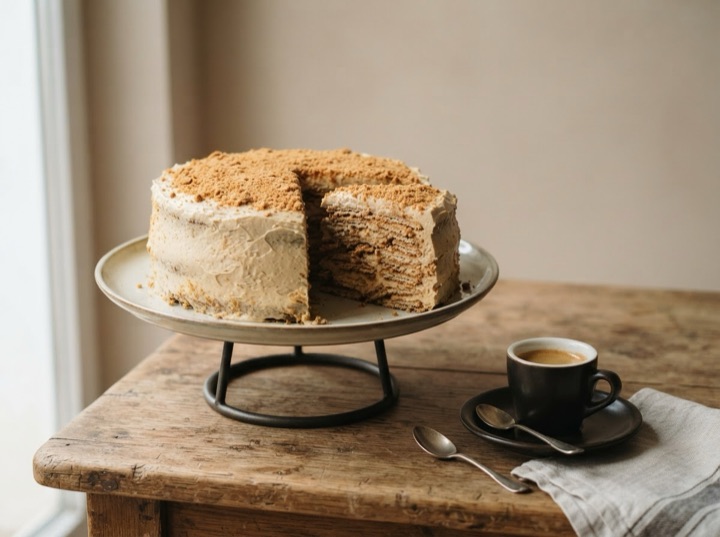
Bolo de BolachaNo-Bake Biscuit and Coffee Cake
Maria biscuits dipped in strong coffee and layered with buttercream. Portugal's favourite no-bake birthday cake, assembled in 30 minutes and chilled overnight.
 Traditional
Arroz DocePortuguese Rice Pudding
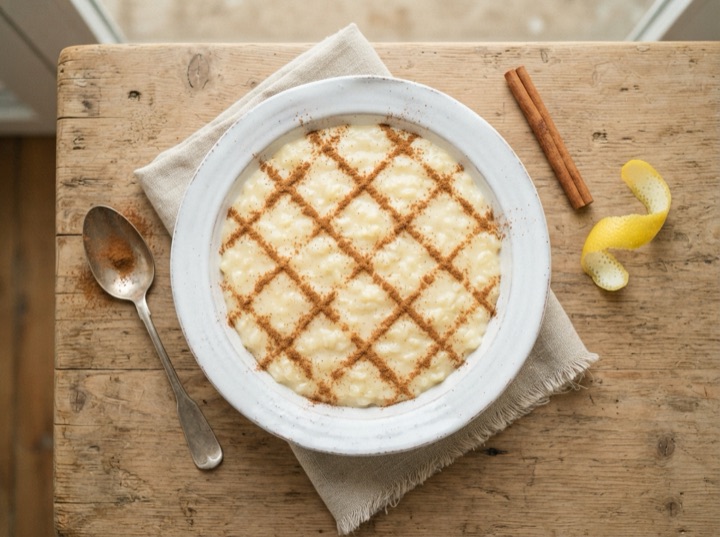
Creamy Portuguese rice pudding with lemon peel and cinnamon, finished with egg yolks and the classic cinnamon lattice on top. Served cold, at every celebration.
 Food culture
Why Do Portuguese Eat BacalhauThe Story of the Faithful Friend
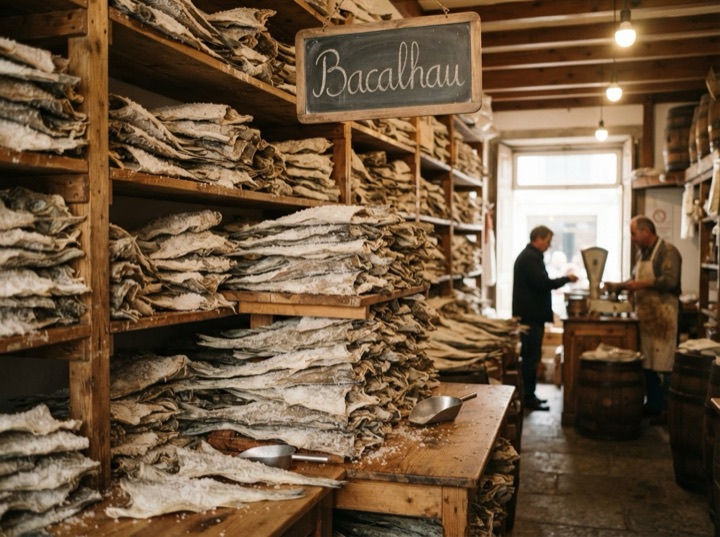
Why do Portuguese eat bacalhau when no cod swims off Portugal? Salt, Catholic fasting, Newfoundland fleets and the Estado Novo, explained simply.