Portuguese SpicesThe Short List and How to Use Them
The Portuguese spices and seasonings that matter: garlic, bay, colorau, piri-piri, coriander, parsley, cumin and cinnamon, and how cooks combine them.
 By Mesa de Portugal Kitchen · Updated · 7 min read
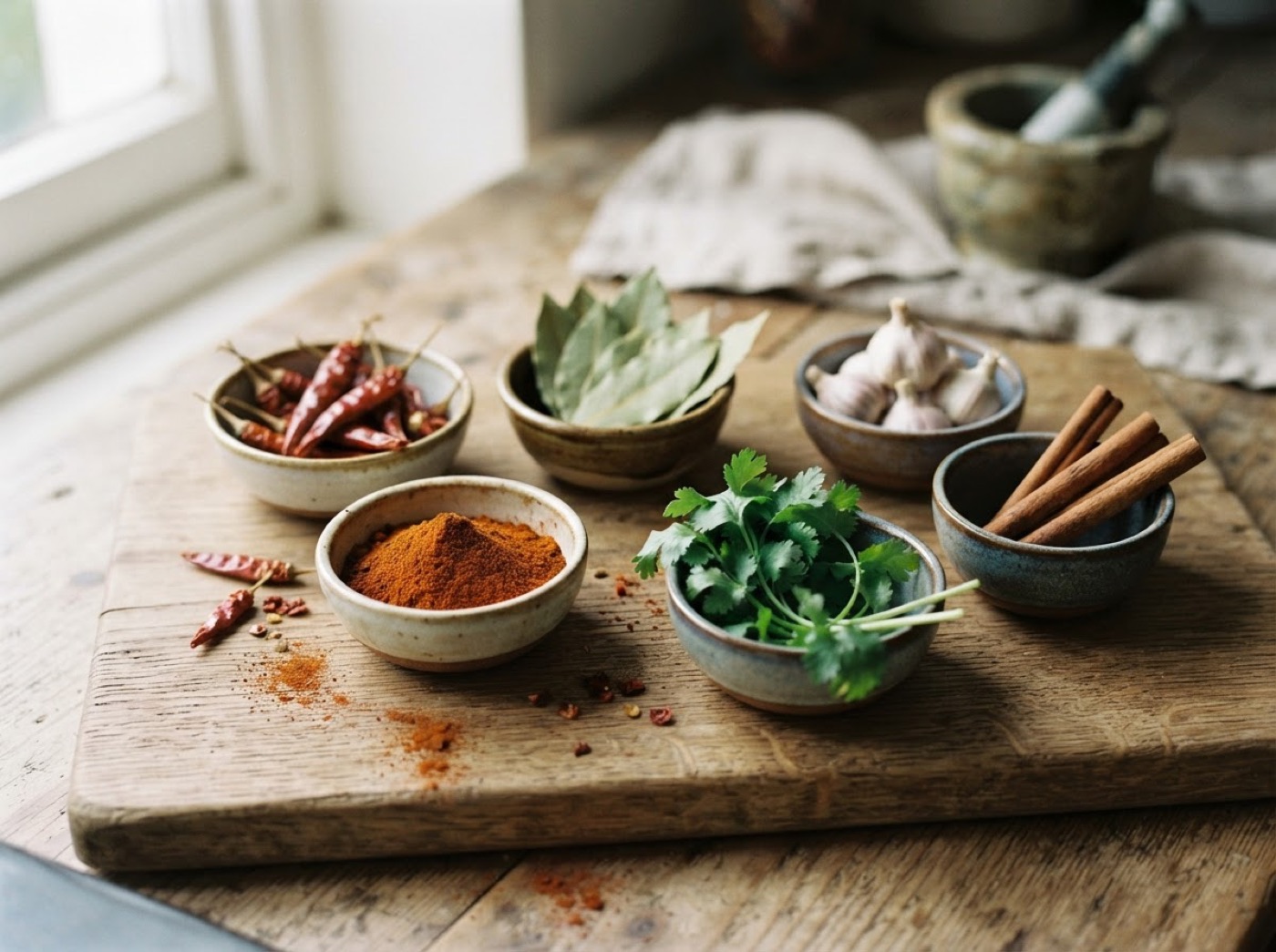
Portuguese spices are a short list used with confidence: garlic, bay leaf, sweet paprika (colorau), piri-piri chilli, fresh coriander and parsley, a little cumin in the north, and cinnamon in sweets. White wine, olive oil and coarse salt do the rest. Most savoury dishes start from the same garlic, bay and wine marinade, called vinha d'alhos.
That's the surprise for people who expect a country of spice traders to cook with dozens of jars. In the 1500s Portuguese ships carried much of Europe's pepper, cinnamon and cloves from Asia, but home cooking stayed simple. The skill is in balance and in good raw ingredients, not in a long spice rack.
What spices are used in Portuguese cooking?
Here is the working list, roughly in order of how often you'll reach for each one.
Garlic (alho)
The foundation. Portuguese cooks use a lot of it, often crushed with coarse salt into a paste, sliced into olive oil for clams, or left whole and "punched" for roast potatoes. If a recipe here looks heavy on garlic, it's meant to be.
Bay leaf (louro)
Bay goes into stews, rice, soups, marinades and grilled meat. Fresh bay trees grow in gardens all over Portugal, and dried leaves are in every kitchen. One or two leaves per pot is normal.
Sweet paprika (colorau or pimentão doce)
Colorau is ground dried sweet red pepper. It gives colour and a mild, warm sweetness to chouriço, marinades, octopus, rice and roast chicken. It isn't smoked like Spanish pimentón de la Vera, which is the most common mistake abroad. Plain sweet paprika is the right swap. Its fresh cousin is massa de pimentão, a salted red pepper paste.
Piri-piri
Small, hot bird's eye chillies, used dried and crushed or steeped in oil. Portuguese food is not generally hot, and piri-piri is usually added at the table rather than cooked into everything. Our piri-piri sauce guide covers the chilli oil you'll see on tasca tables.
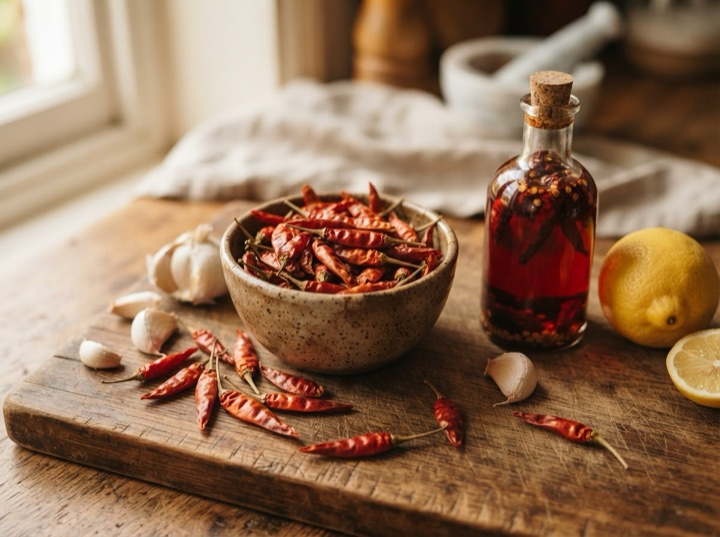
Piri-piri chillies from Portugal
Whole dried bird's-eye chillies, the heat behind frango piri-piri and the bottle of chilli oil on every Portuguese table.
Tip: Two packs last a year. Crush them as you need them.
Coriander (coentros)
Fresh coriander is the herb that most surprises visitors. It's essential in the south: in amêijoas à Bulhão Pato, in açorda alentejana, and on top of carne de porco à alentejana. Northern cooks use it far less.
Parsley (salsa)
Flat-leaf parsley is the everyday herb further north and in fish dishes everywhere. It finishes bacalhau à Brás and goes into croquetes and fish stews.
Cumin (cominhos)
Used sparingly and mostly in the Minho and the north, in pork dishes such as rojões and in some blood-and-rice dishes like arroz de sarrabulho. Most of the country barely uses it, so don't add it by default.
Cinnamon (canela)
Mostly for sweets: dusted over pastéis de nata, drawn in lines across arroz doce, and in many convent desserts. Old recipes sometimes add it to savoury stuffings and sausages, a trace of the spice trade.
The supporting cast
- Nutmeg (noz-moscada) in white sauces, so in bacalhau com natas and croquetes.
- Black and white pepper, used lightly.
- Cloves (cravinho) in some marinades, sausages and cakes.
- Oregano (orégãos) on tomato salads and grilled fish in some areas.
- Mint (hortelã) and pennyroyal (poejo) in Alentejo bread soups.
The other seasonings: wine, oil and salt
Three liquids and a mineral do as much work as any spice.
- Dry white wine goes into marinades, clams, stews and pork. Cooks reach for it as automatically as stock elsewhere.
- Olive oil (azeite) is a seasoning as much as a fat: it's poured raw over fish, potatoes and greens at the end. Our Portuguese olive oil guide explains what to buy.
- Coarse sea salt (sal grosso) for marinades, grilling sardines and salting meat, with flaky flor de sal for finishing. See the flor de sal guide.
- Lemon for fish, chicken and the piri-piri marinade.
- Vinegar in marinades and in the classic tomato and onion salad.
How Portuguese spices are combined
Instead of fixed spice blends, Portuguese cooking has a handful of repeated combinations. Learn these and you can season most of the country's dishes.
Vinha d'alhos (the garlic and wine marinade)
The name comes from vinho (wine) and alhos (garlic). A basic version for 1 kg of pork:
- 6 cloves garlic, crushed with 1 tsp coarse salt
- 250 ml dry white wine
- 2 bay leaves
- 1 tsp sweet paprika
- Black pepper
Leave the meat in it overnight in the fridge. Some cooks add a splash of vinegar, cumin in the Minho, or massa de pimentão in the Alentejo. This marinade is the base of bifanas, rojões, roast pork and the famous Christmas Eve pork in Madeira, carne de vinha d'alhos.
Garlic, oil and coriander
The southern trio for clams, mussels and bread soups. Garlic gently fried in plenty of olive oil, a splash of white wine, and a big handful of coriander right at the end. Lemon on the side.
Paprika, garlic, chilli and lemon
The piri-piri chicken base. Sweet paprika for colour, garlic, crushed chilli, lemon juice, olive oil and a bay leaf. The same mix works for prawns and pork belly. See our air fryer frango piri-piri.
Onion, garlic, bay and olive oil (the refogado)
Not a spice mix but the start of most stews and rice dishes. Onion and garlic softened slowly in olive oil with a bay leaf, sometimes with tomato and paprika. Almost every Portuguese rice dish leans on it.
Cinnamon, lemon and sugar
The sweet trio: lemon peel simmered in milk, cinnamon stick in the pot, ground cinnamon on top.
What to buy, and what to skip
A Portuguese spice shelf can be very short. Buy:
- Sweet (unsmoked) paprika
- Dried bay leaves
- Whole dried piri-piri chillies
- Ground cinnamon and a few cinnamon sticks
- Whole nutmeg
- A small jar of ground cumin, if you cook northern pork dishes
- Coarse sea salt
Grow or buy fresh coriander and parsley, and always keep garlic and a bottle of dry white wine for cooking. Skip pre-mixed "Portuguese seasoning" blends. They tend to be heavy on smoked paprika and dried herbs that don't belong, and you'll get a better result from the combinations above. For the rest of the cupboard, see our Portuguese pantry staples.
What you’ll need
Links go to Amazon, where you can check today’s price. If you buy, we earn a small commission at no extra cost to you.
Piri-piri chillies from Portugal
Whole dried bird's-eye chillies, the heat behind frango piri-piri and the bottle of chilli oil on every Portuguese table.
Tip: Two packs last a year. Crush them as you need them.
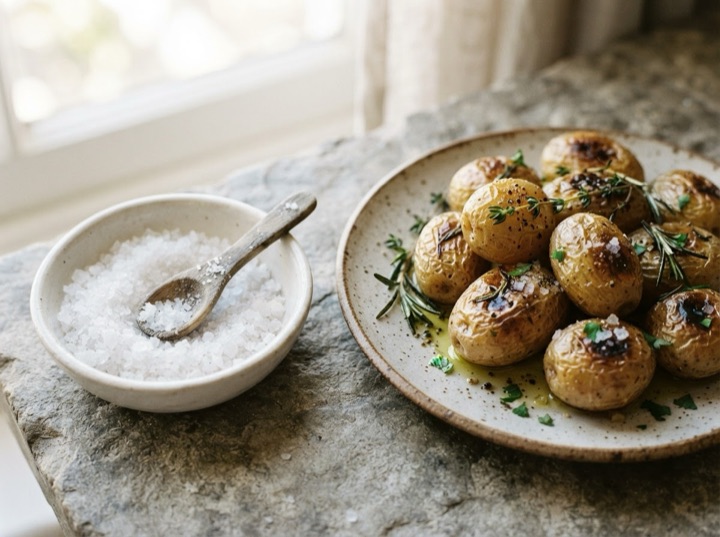
Algarve sea salt
Sea salt from the Algarve salt pans, for coarse-salt roasting batatas a murro and for finishing grilled fish.
Tip: A little goes a long way. Use it for finishing, not boiling water.

Authentic Portuguese Cooking (cookbook)
Over 185 classic recipes from mainland Portugal, the Azores and Madeira. A highly rated home-cooking reference.
Tip: Good for family recipes you remember but never wrote down.
Frequently asked
What is the most common spice in Portuguese food?
Is Portuguese food spicy?
Is Portuguese paprika smoked?
What is vinha d'alhos?
Do Portuguese cooks use coriander or parsley?
Recipes from this story
 Traditional
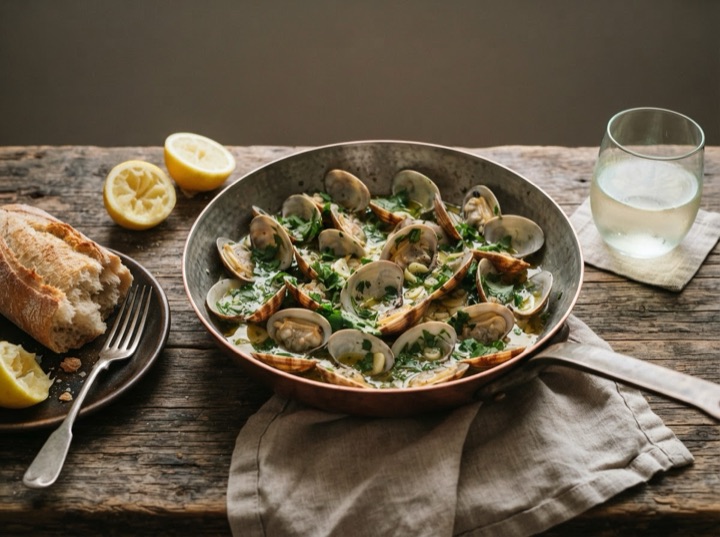
Amêijoas à Bulhão PatoClams with Garlic and Coriander
Clams steamed open in olive oil, garlic, coriander and a squeeze of lemon. Lisbon's favourite seafood petisco, ready in 10 minutes once the clams are clean.
 Traditional
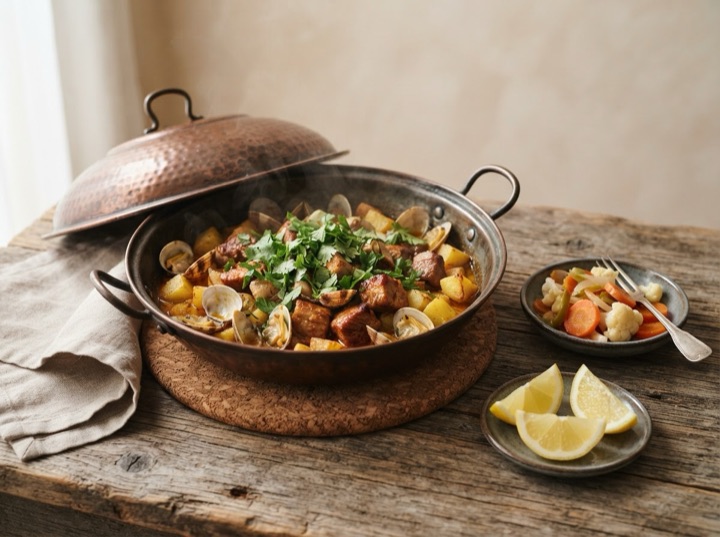
Carne de Porco à AlentejanaPork and Clams
Pork marinated in wine, garlic and red pepper paste, tossed with clams, crisp potatoes and coriander. Portugal's great surf-and-turf, cooked in a cataplana.
 Air Fryer
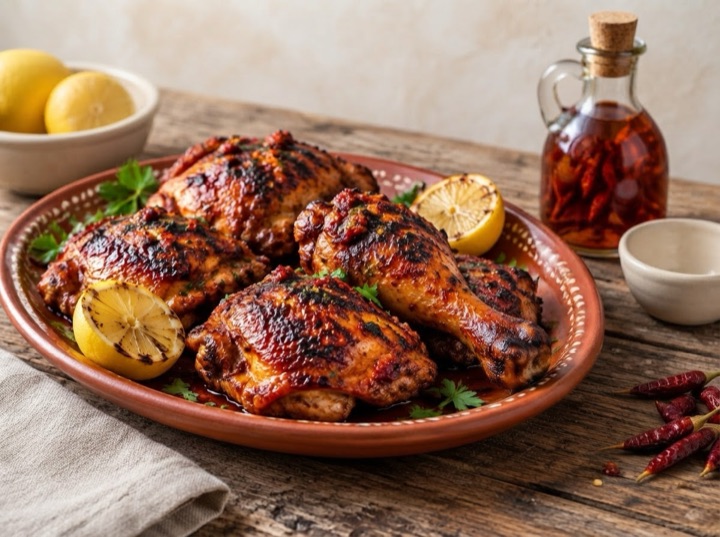
Frango Piri-Piri in the Air Fryer
Portuguese piri-piri chicken with crisp, blistered skin, made in the air fryer in 25 minutes. Includes the marinade and a piri-piri oil for basting.