Portuguese TablewareBordallo, Costa Nova and More
A guide to Portuguese tableware - what Bordallo Pinheiro, Costa Nova, Casafina, Vista Alegre and Cutipol are known for, how to spot real pieces, and care.
 By Mesa de Portugal Kitchen · Updated · 7 min read
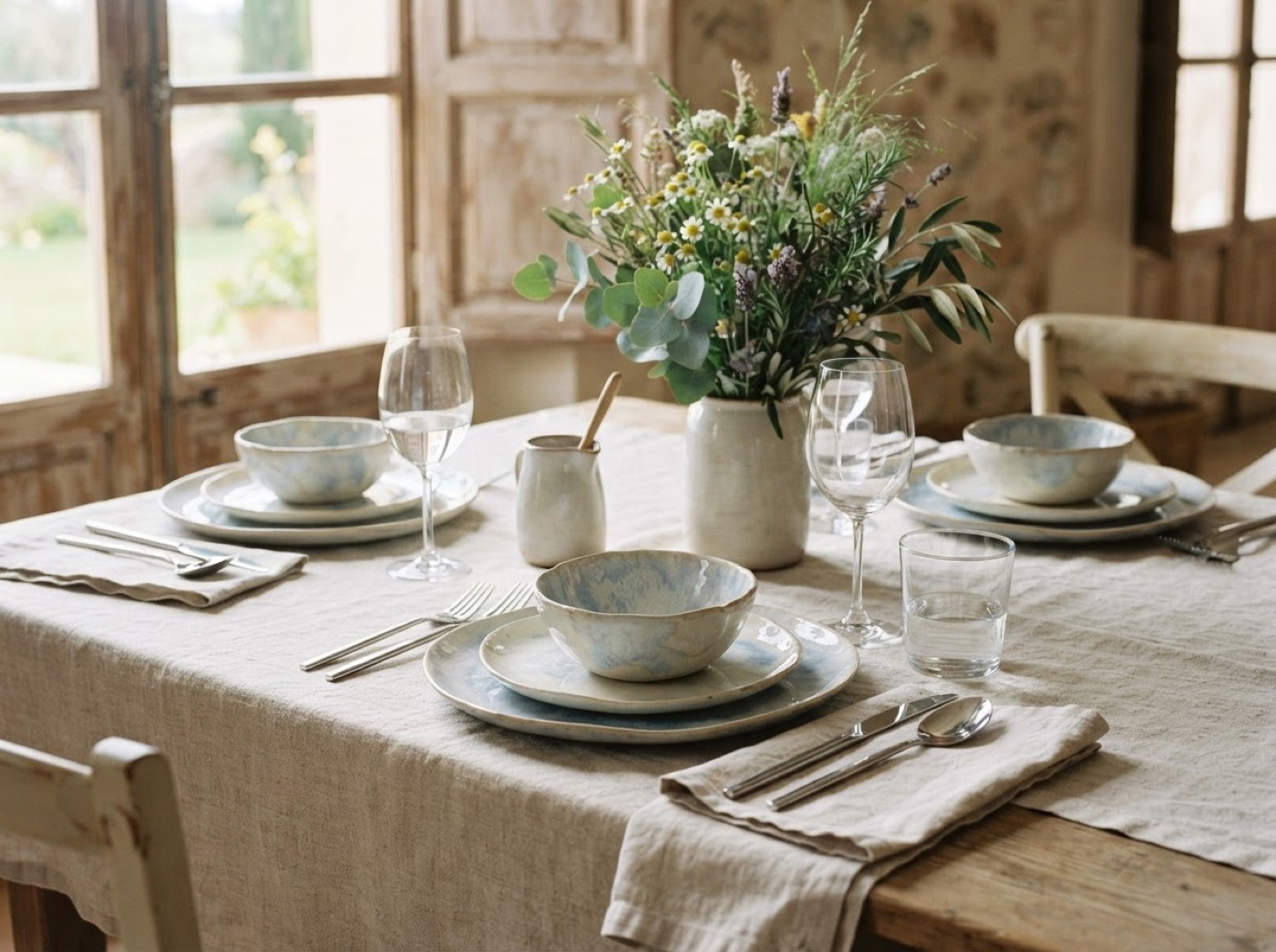
The five Portuguese tableware names worth knowing are Bordallo Pinheiro (playful hand-finished earthenware shaped like cabbages and fruit), Costa Nova and Casafina (everyday stoneware with organic edges), Vista Alegre (fine porcelain since 1824) and Cutipol (slim modern cutlery). All are made in Portugal. Stoneware is the toughest for daily use; earthenware and porcelain need gentler care.
Portugal has a long ceramic tradition and a small country's habit of doing a few things very well. The result is tableware that you'll find in shops from New York to Tokyo, often at prices well below French or Italian equivalents.
The main types of Portuguese tableware
Before the brands, the materials, because they decide how you use and wash each piece.
- Faiança (earthenware). Fired at lower temperatures, so it's thicker, lighter for its size and more porous under the glaze. It chips more easily. Bordallo Pinheiro is earthenware.
- Grés (stoneware). Fired hot, so it's dense, heavy and tough. Most stoneware is dishwasher, microwave and oven safe. Costa Nova and Casafina are stoneware.
- Porcelana (porcelain). Very hard, thin and white, fired at the highest temperatures. Vista Alegre is the best-known name.
- Cutelaria (cutlery). Portugal's cutlery industry is concentrated in the north, around Guimarães. Cutipol is the name design lovers know.
Bordallo Pinheiro: the cabbage plates
Founded in 1884 in Caldas da Rainha by the artist and caricaturist Rafael Bordallo Pinheiro. The factory is famous for naturalist pieces: plates and bowls moulded as cabbage leaves, lemons, artichokes and fish, plus the ceramic swallows you see on Portuguese walls and the sardines made for Lisbon's June festivals.
Known for: green cabbage-leaf plates and tureens, bright glazes, pieces that are part tableware, part sculpture. It's a collector's brand as much as a dinner service. We've written a full Bordallo Pinheiro guide covering the history, the most famous designs and how to spot copies.
Bordallo Pinheiro cabbage dinner plates, set of 2
The famous green cabbage-leaf plates, handmade in Caldas da Rainha. They turn a weeknight bacalhau into a feast.
Tip: Handwash to keep the glaze bright for decades.
Best for: serving, salads, dessert, special occasions. The cabbage bowl is a famous wedding and housewarming present in Portugal.
Costa Nova: everyday stoneware
Costa Nova is the brand of Grestel, a stoneware maker founded in 1998 in Vagos, near Aveiro. The Costa Nova name, taken from the striped beach village nearby, came in 2006. Most of its production is exported, with the United States its biggest market.
Known for: soft, slightly irregular rims that look handmade, reactive and matte glazes, and ranges like Brisa, Friso and Nova that come in many colours you can mix. It's tough enough for a family kitchen.
Best for: a full everyday set. Plates, bowls and mugs for daily use, plus oven bakers that go to the table.
Costa Nova Rosa dinner plate
An 11-inch Portuguese stoneware plate with a soft organic edge. Pairs with the Costa Nova bowls.
Tip: Buy one to check the colour, then build a set.
Casafina: hand-glazed stoneware
Casafina is a sister brand, managed by the same Portuguese group as Costa Nova and made in its factories. The look is more rustic: reactive glazes that pool and break over the edges, so every plate comes out slightly different.
Known for: the Pacifica range, deep bowls and big oval bakers. Like Costa Nova, most pieces are dishwasher and microwave safe.
Best for: people who want the handmade look without handmade fragility. A Casafina bowl is the right depth for caldo verde.
Vista Alegre: porcelain since 1824
Vista Alegre was founded in 1824 at Ílhavo, near Aveiro. Today it makes classic white and gold services, modern designer collections and glassware and crystal.
Known for: fine porcelain, collaborations with designers, and the kind of set that's handed down. Its glass goblets are a common gift.
Best for: Christmas, christenings and anniversaries. The Mar (sea) collection suits a fish supper, such as a polvo à lagareiro.
Cutipol: the GOA cutlery
Cutipol was founded in 1963 by José Ribeiro, and it's based near Guimarães in the north. It's best known for GOA: very slim stainless steel cutlery with long, thin coloured resin handles. You'll see it in design magazines and in many smart restaurants.
Known for: minimalist shapes, matte and brushed finishes, coloured handles. It's sold by the piece as well as in sets, so you can start small.
Best for: a dinner party table, or one beautiful dessert spoon for arroz doce.
Cutipol GOA starter set, 6 pieces
The GOA design from Portuguese maker Cutipol: slim, elegant and instantly recognisable. A starter set to try it at home.
Tip: Handwash the coloured handles.
How to tell genuine Portuguese-made tableware
Copies are common, especially of Bordallo Pinheiro and Costa Nova shapes. A few checks help.
- Turn it over. Genuine pieces carry the maker's mark on the base, usually with "Portugal" or "Made in Portugal". Costa Nova and Vista Alegre backstamps are clear and neat.
- Weight and finish. Stoneware should feel heavy and solid. Cheap copies are often lighter, with thin, glassy glazes and blurry details.
- Glaze on the foot. On good stoneware and porcelain, the unglazed ring on the base is clean and smooth, not rough or uneven.
- The listing. On Amazon and marketplaces, check the brand name in the seller details, the country of origin, and the photos of the base. "Portuguese style" or "Portugal inspired" means it isn't.
- Price. A full set of real Bordallo plates at a fraction of the usual cost is a warning sign.
How to care for Portuguese tableware
- Bordallo Pinheiro earthenware: hand wash in warm water with mild soap. Avoid the dishwasher and sudden temperature changes. Don't put it in the oven. Glazes are food safe, but chips expose the porous body, so retire badly chipped pieces from food use.
- Costa Nova and Casafina stoneware: dishwasher, microwave and oven safe in most ranges (check the base or box). Avoid going from fridge to a hot oven. Grey marks from metal cutlery can be removed with a little bicarbonate of soda paste.
- Vista Alegre porcelain: plain white is usually dishwasher safe. Anything with gold or platinum rims must be hand washed and kept out of the microwave.
- Cutipol cutlery: the steel is fine in a dishwasher, but coloured resin handles last longer washed by hand. Dry it straight away to avoid water marks.
Building a Portuguese table
You don't need a full matching service. A common Portuguese approach is stoneware for every day, one or two Bordallo pieces for serving, and porcelain or good glasses for celebrations. Add cork placemats, which Portugal also makes more of than anyone, and you have a table that looks like a Lisbon dinner party. Our Portuguese cork guide covers those, and our housewarming gift guide has ideas if you're buying for someone else. Browse everything in the shop.
What you’ll need
Links go to Amazon, where you can check today’s price. If you buy, we earn a small commission at no extra cost to you.
Costa Nova Rosa dinner plate
An 11-inch Portuguese stoneware plate with a soft organic edge. Pairs with the Costa Nova bowls.
Tip: Buy one to check the colour, then build a set.
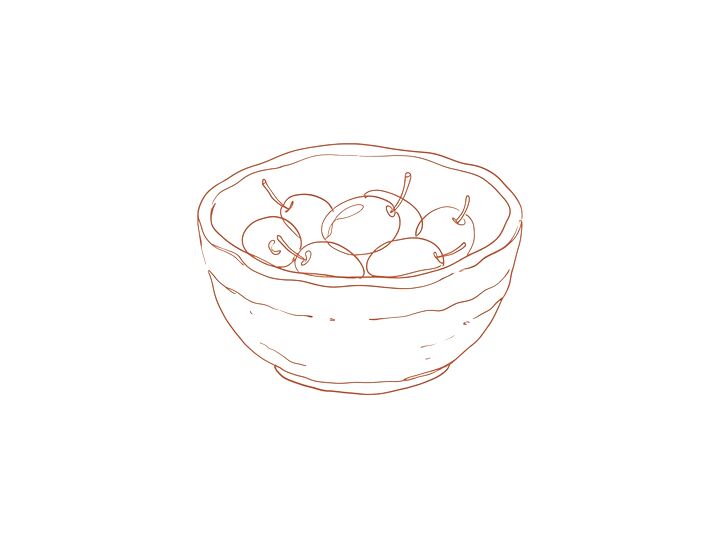
Casafina Pacifica stoneware bowl
Hand-glazed Portuguese stoneware with a rustic, reactive finish. Each piece looks slightly different.
Tip: Microwave- and dishwasher-safe, unlike a lot of handmade pottery.

Vista Alegre Mar dinner plates, set of 4
Porcelain from Vista Alegre, Portugal's historic porcelain maker since 1824. The Mar (sea) design suits a fish supper.
Tip: A special-occasion set that lasts a lifetime.
Cutipol GOA starter set, 6 pieces
The GOA design from Portuguese maker Cutipol: slim, elegant and instantly recognisable. A starter set to try it at home.
Tip: Handwash the coloured handles.
Bordallo Pinheiro cabbage dinner plates, set of 2
The famous green cabbage-leaf plates, handmade in Caldas da Rainha. They turn a weeknight bacalhau into a feast.
Tip: Handwash to keep the glaze bright for decades.
Frequently asked
Is Costa Nova made in Portugal?
Is Bordallo Pinheiro dishwasher safe?
What is the most famous Portuguese tableware?
What is the difference between Costa Nova and Casafina?
Is Portuguese stoneware safe to use every day?
Recipes from this story
 Traditional
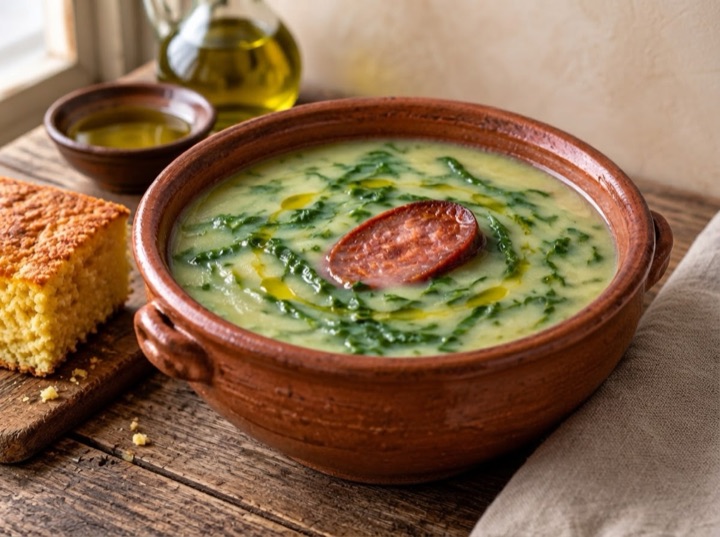
Caldo VerdePortuguese Green Soup
Portugal's national soup: a silky potato base, ribbons of finely shredded greens and a slice of chouriço on top. Simple, cheap and done in 40 minutes.
 Traditional
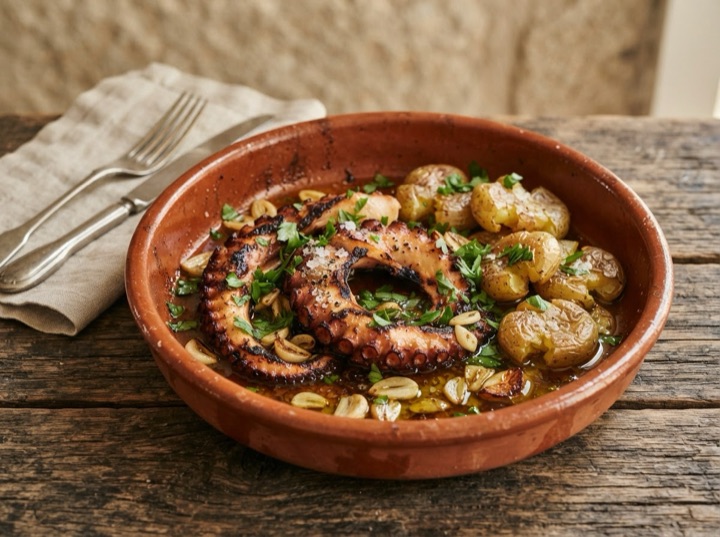
Polvo à LagareiroRoast Octopus with Garlic Oil
Tender octopus roasted with plenty of olive oil and garlic, served with punched potatoes. Includes the freezing trick that makes octopus soft every time.
 Traditional
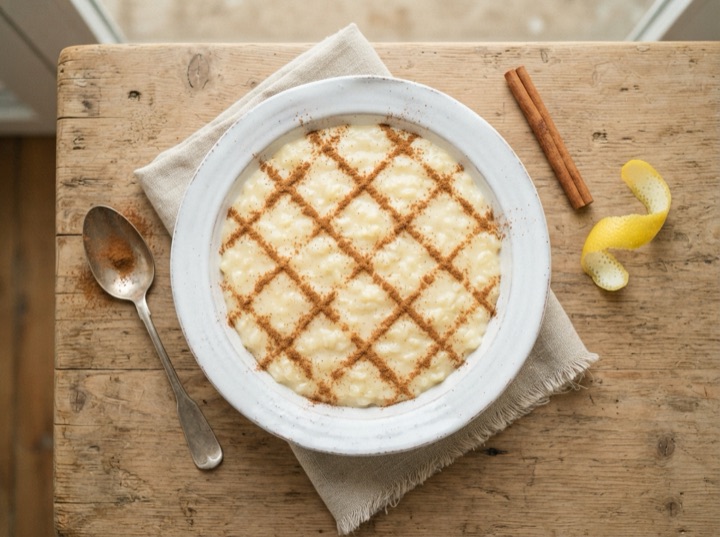
Arroz DocePortuguese Rice Pudding
Creamy Portuguese rice pudding with lemon peel and cinnamon, finished with egg yolks and the classic cinnamon lattice on top. Served cold, at every celebration.