Baba de CameloPortuguese Caramel Mousse
Baba de camelo recipe: a light Portuguese caramel mousse made with just a tin of caramelised condensed milk and eggs. Includes a pasteurised egg option.
 By Mesa de Portugal Kitchen · Updated
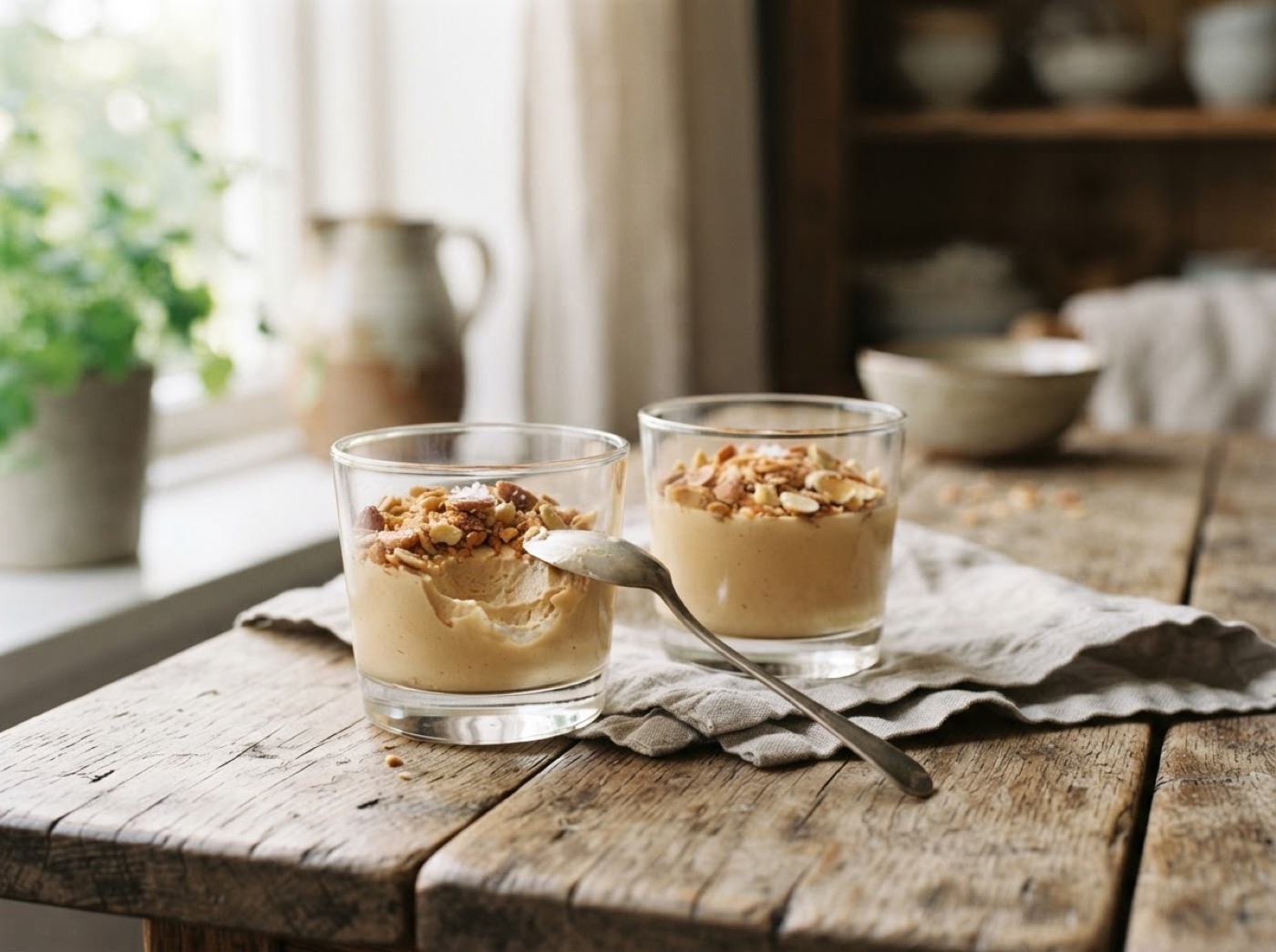
Baba de camelo is a Portuguese caramel mousse made from cooked condensed milk and eggs, chilled until soft and airy. The name means "camel's drool", and it's loved for being sweet, silly and almost impossible to get wrong: two ingredients, no oven and a dessert that disappears from every family lunch table.
The two things that make it work: use condensed milk that's already caramelised to a thick, dark toffee, and fold in the beaten egg whites gently so the mousse stays light.
The eggs in this dessert are not cooked. Read the egg safety note below before you start.
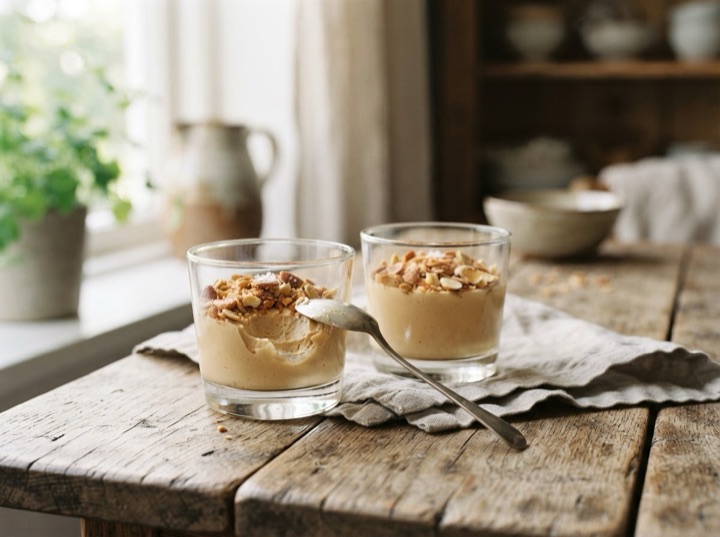
Baba de CameloPortuguese Caramel Mousse
Baba de camelo recipe: a light Portuguese caramel mousse made with just a tin of caramelised condensed milk and eggs. Includes a pasteurised egg option.
Ingredients
- 1 tin (about 397 g) caramelised condensed milk, sold as leite condensado cozido or caramel/dulce de leche style condensed milk
- 6 eggs, very fresh, or pasteurised eggs (see note)
- A pinch of salt
- 30 g toasted flaked almonds or chopped almonds, to decorate
- A few crushed Maria biscuits, to decorate (optional)
Method
- If you're making the caramel yourself from plain condensed milk, do it the day before (see "Making the caramel" below) and let it cool completely.
- Separate the eggs. Put the whites in a large, very clean bowl and the yolks in another.
- Spoon the caramel into the yolks and whisk for 2–3 minutes until smooth, glossy and a little paler.
- Add the salt to the whites and whisk until they hold stiff peaks, about 3–4 minutes with an electric whisk.
- Stir one big spoonful of whites into the caramel to loosen it. Then fold in the rest in two batches with a spatula, cutting down and lifting, until no white streaks are left.
- Pour into a serving bowl or 6 small glasses. Cover and chill for at least 4 hours, ideally overnight, until set.
- Scatter with almonds and crushed biscuits just before serving.
Notes
Tap ingredients and steps to tick them off. Scaling changes the quantities at the start of each line; check the rest by eye.
Raw egg safety
This dessert uses raw eggs. Raw or lightly cooked eggs carry a small risk of salmonella, and baba de camelo is not suitable for pregnant women, babies and young children, older people or anyone with a weakened immune system, unless you use pasteurised eggs.
Pasteurised eggs are the safe option. Some supermarkets sell pasteurised eggs in the shell, which you use just like normal eggs. Cartons of pasteurised liquid yolk and white work too, about 6 yolks (100 g) and 6 whites (200 g). Pasteurised whites can be slower to whip: add ¼ tsp cream of tartar or a few drops of lemon juice to help them hold peaks. In the UK, eggs with the British Lion mark are considered safe to eat raw by the Food Standards Agency, including for vulnerable groups.
Making the caramel
Ready-caramelised condensed milk is the easiest and safest route. To make it yourself, pour a 397 g tin of plain condensed milk into an ovenproof dish, cover tightly with foil and stand it in a roasting tin of hot water. Bake at 200 °C for 1½–2 hours, topping up the water, until thick and golden brown. Whisk until smooth and cool completely.
The old way is to boil the closed tin in water for about 3 hours. If you do, the tin must stay fully covered with water at all times, or it can burst. Never open it while hot.
What to serve with it
Baba de camelo is very sweet, so serve small portions with a strong bica, see our Portuguese coffee guide. For more classic family desserts, try bolo de bolacha or browse the Portuguese desserts guide.
Baba de Camelo
BAH-ba d' ka-MEH-loo
- o leite condensadooo LAY-t' kon-den-SAH-doocondensed milk
- o ovooo OH-vooegg
- a claraa KLAH-raegg white
- a amêndoaa a-MEN-dwaalmond
What you’ll need
Links go to Amazon, where you can check today’s price. If you buy, we earn a small commission at no extra cost to you.
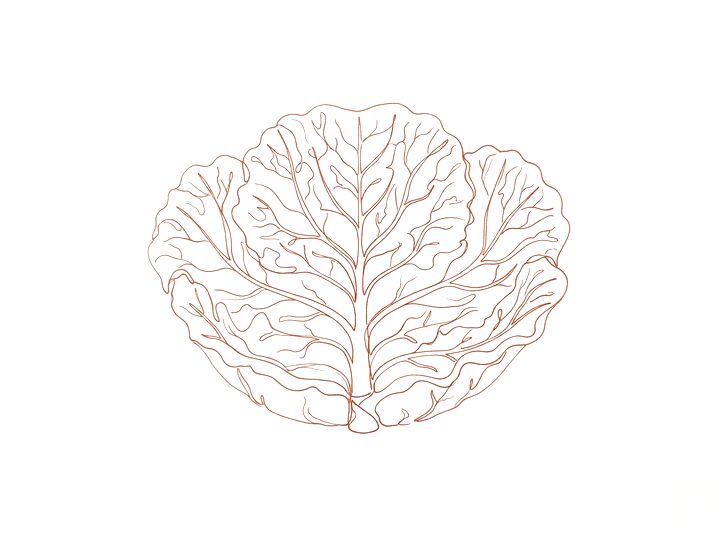
Bordallo Pinheiro cabbage serving bowl
The famous cabbage-leaf ceramics from Caldas da Rainha, made since the 1800s. Perfect for salads and batatas a murro.
Tip: Large bowl for the table, or the set of four for individual portions.

Cutipol GOA starter set, 6 pieces
The GOA design from Portuguese maker Cutipol: slim, elegant and instantly recognisable. A starter set to try it at home.
Tip: Handwash the coloured handles.

Costa Nova stoneware mug
Simple Portuguese stoneware from the Costa Nova range, made for a big morning galão.
Tip: Microwave- and dishwasher-safe.
Frequently asked
Why is it called baba de camelo?
Why didn't my baba de camelo set?
Can I make it without eggs?
How long does it keep?
Cook this next
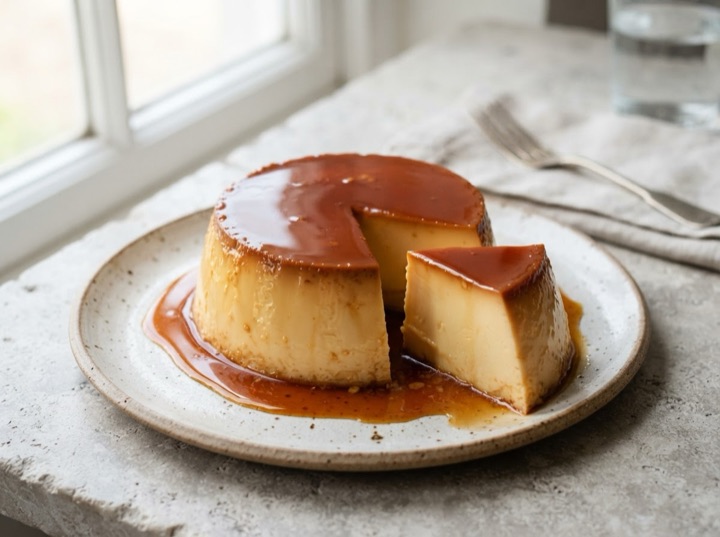 Traditional
Pudim FlanPortuguese Caramel Custard
Pudim flan recipe: a smooth Portuguese caramel custard baked in a bain-marie and turned out with its amber caramel sauce. Just eggs, milk and sugar.
 Traditional
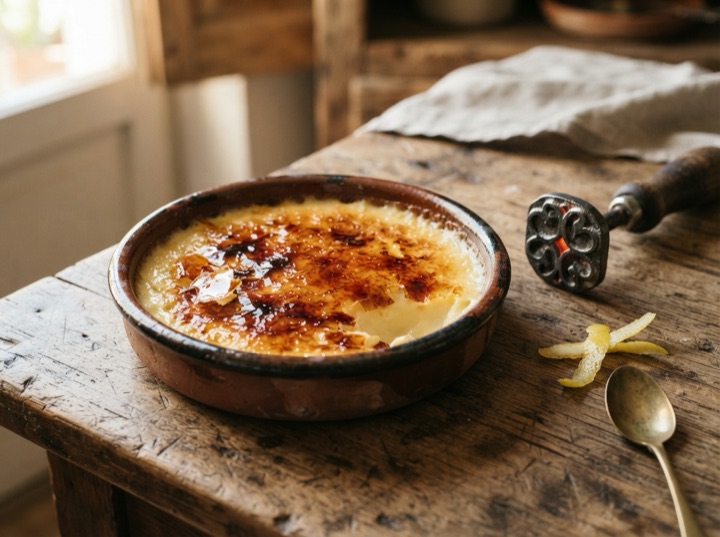
Leite-CremePortuguese Burnt Sugar Custard
Leite-creme recipe: silky lemon and cinnamon custard cooked on the hob, chilled, then topped with a crackly burnt sugar crust. No oven needed.
 Traditional
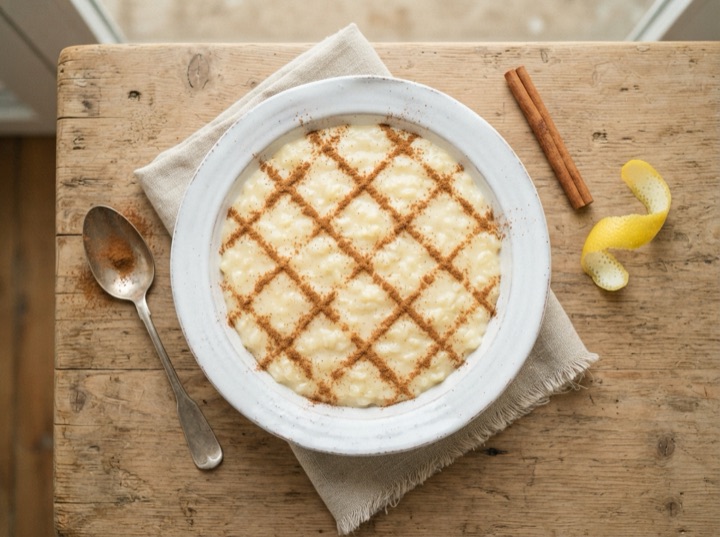
Arroz DocePortuguese Rice Pudding
Creamy Portuguese rice pudding with lemon peel and cinnamon, finished with egg yolks and the classic cinnamon lattice on top. Served cold, at every celebration.